
Overview
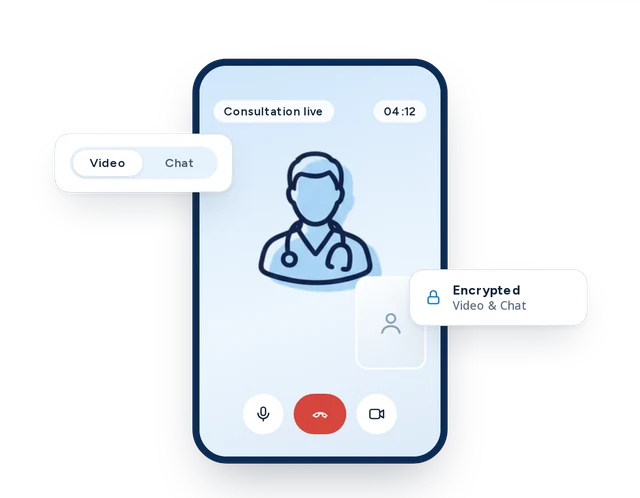
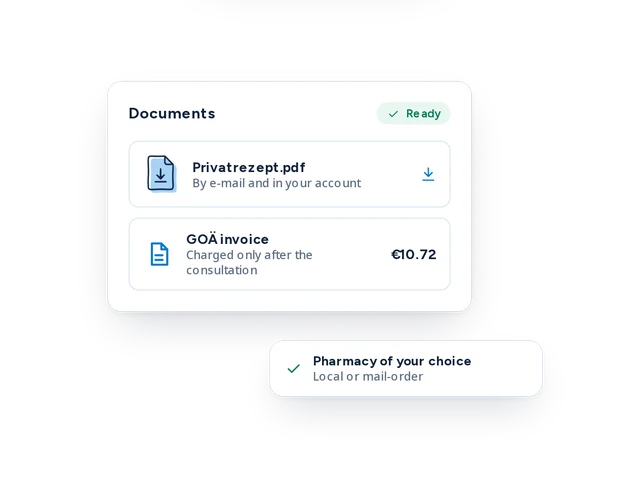
A certificate of incapacity for work (AU), colloquially known as a sick note, confirms that you are temporarily unable to carry out your work for health reasons. Remote medical treatment is generally permitted in Germany; following the doctor's assessment, an AU can therefore also be issued during a video consultation. The prerequisite is that your complaints can be assessed with sufficient certainty via video. During the video consultation, the doctor takes your medical history, asks specifically about the nature, onset and course of your symptoms, and then decides whether incapacity for work exists and for what period it can be certified. There is no entitlement to a sick note; the decision always lies within the doctor's discretion. OpenClinic24 is aimed at privately insured patients and self-payers; billing is carried out as a private service in accordance with the German medical fee schedule for physicians (GOÄ). After the appointment, you receive the certificate as a document that you can present to your employer.
Common causes
The most common reasons for a sick note are acute illnesses that usually resolve on their own. These include respiratory infections such as common colds with cough, runny nose, sore throat and fever, as well as flu-like infections. Gastrointestinal infections with nausea, vomiting or diarrhoea are also frequent and can justify short-term incapacity for work. Headaches and migraine attacks often considerably impair concentration and the ability to work. Acute back pain and muscle tension, for example after physical strain, are also among the common reasons. In addition, pronounced exhaustion, sleep disturbances or acute stress reactions can make a temporary break from work medically advisable. Whether and for how long incapacity for work exists depends not only on the diagnosis but also on your occupation: a febrile infection affects physical work differently than office work.
When to see a doctor
Visit a practice promptly if a fever above 39 °C lasts longer than three days, if complaints worsen despite rest, or if there is no improvement after one week. A physical examination should also take place in the case of severe, clearly localised pain, bloody sputum, bloody diarrhoea, signs of dehydration (for example markedly reduced urine output) or recurring infections. In these cases, a video consultation does not replace an in-person examination. Call the emergency number 112 immediately if warning signs occur such as chest pain or tightness in the chest, acute shortness of breath, high fever with neck stiffness, sudden paralysis, speech or vision disturbances, very severe headaches unlike any experienced before, or impaired consciousness. These symptoms can indicate life-threatening conditions and belong in emergency care, not in a video consultation.