

Conjunctivitis (pink eye)

Conjunctivitis (pink eye) is an irritation or inflammation of the conjunctiva of the eye, typically causing redness, burning and discharge. Common triggers include viruses, bacteria, allergies or external irritants. In a video consultation, the doctor can assess the eye via camera or photo and, based on their medical assessment, recommend an appropriate treatment.

12 doctors available now

Overview

Conjunctivitis (pink eye) is one of the most common eye conditions of all. The conjunctiva lines the inside of the eyelids and covers the visible white part of the eyeball. When it becomes inflamed, its fine blood vessels dilate and the eye appears red. Typical accompanying symptoms include burning, itching, a foreign-body sensation, increased tearing and discharge, which can stick the eyelids together, especially in the morning. Depending on the cause, one or both eyes may be affected. Many forms are uncomplicated and resolve within one to two weeks. Because conjunctivitis is easy to recognise externally, it is well suited to an initial telemedicine assessment in many cases: in the video consultation, the doctor assesses the eye via camera or a photo, asks about your symptoms and, based on their medical assessment, can recommend an appropriate treatment – including, if needed, a private prescription for eye drops.
Common causes

Conjunctivitis is most frequently caused by viruses, for example in the course of a respiratory infection; this form often starts on one side and is accompanied by watery discharge. Bacterial conjunctivitis tends to cause purulent, yellowish-green discharge and heavily stuck-together eyelids. Both infectious forms are contagious and are mainly transmitted via the hands. Allergic conjunctivitis typically affects both eyes, itches intensely and is often associated with hay fever – triggers include pollen, house dust mites or animal dander. External irritants can also play a role: dry air, screen work, draughts, smoke, chlorinated water, cosmetics or contact lenses worn for too long. Dry eye also promotes recurrent irritation of the conjunctiva. Distinguishing between the causes is important because treatment depends on it – the doctor's questions combined with the visual assessment help with this.

When to see a doctor

Medical evaluation is advisable if symptoms last longer than a few days, worsen, or purulent discharge appears. Certain warning signs require a prompt in-person ophthalmological examination: severe eye pain, marked deterioration in vision, pronounced light sensitivity, a visible injury to the eye, blisters on the eyelid or side of the nose, and a red, painful eye in contact lens wearers – in these cases, corneal involvement must be ruled out. Newborns and infants with eye inflammation should always be taken directly to a paediatric or ophthalmology practice. If a corrosive substance has entered the eye, rinse it immediately with water for several minutes and call emergency services on 112. For uncomplicated symptoms, the video consultation is a fast first step: the doctor assesses the eye and, if warning signs are present, directs you to the right point of care.

Symptoms & Indications

Red eye (one or both sides) Burning or itching of the eye Foreign-body sensation ("grain of sand in the eye") Watery, mucous or purulent discharge Eyelids stuck together in the morning Increased tearing Swollen eyelids Mild sensitivity to light

Treatment Options

  • Medical visual assessment via camera or an uploaded photo
  • Artificial tears (lubricating drops) to relieve irritation
  • Following medical assessment: antibiotic eye drops or ointments via private prescription if a bacterial cause is suspected
  • Antihistamine eye drops for allergic causes
  • Eyelid hygiene and cool compresses
  • Avoiding contact lenses and eye make-up while symptoms persist
  • Hygiene measures to prevent transmission (hand washing, separate towels)

Important Notes

  • A video consultation does not replace an ophthalmological examination with a slit lamp. In case of severe pain, deteriorating vision, marked light sensitivity or eye injuries, please visit an ophthalmology practice or emergency department without delay.
  • Contact lens wearers with a red, painful eye should be examined by an ophthalmologist promptly, as corneal inflammation (keratitis) must be ruled out.
  • In case of a chemical burn to the eye (e.g. from cleaning agents): rinse immediately with water for several minutes and call emergency services on 112.
  • Whether a private prescription can be issued is decided by the doctor based on their individual assessment – there is no entitlement to one.
HOW IT WORKS

How OpenClinic24 works

STEP 01

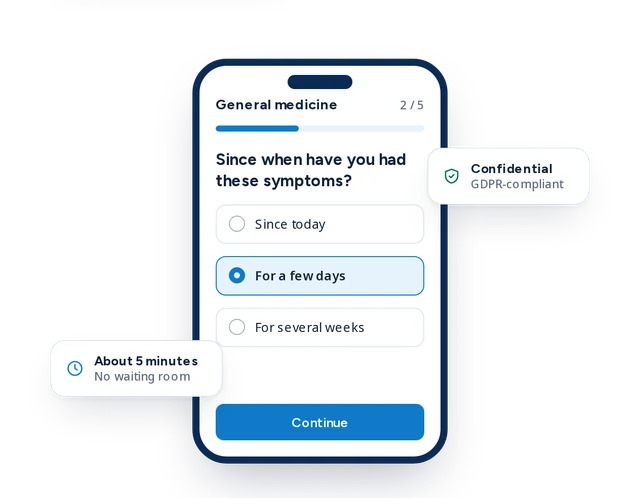
Complete the questionnaire

Brief details about your symptoms

STEP 02

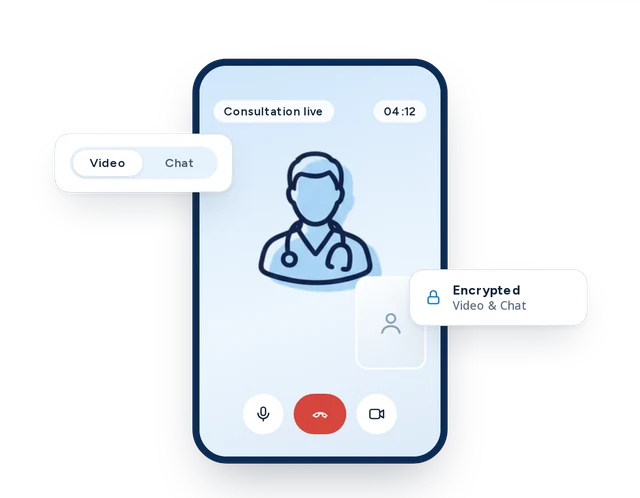
Doctor connects with you

Video consultation within minutes

STEP 03

Receive your documents

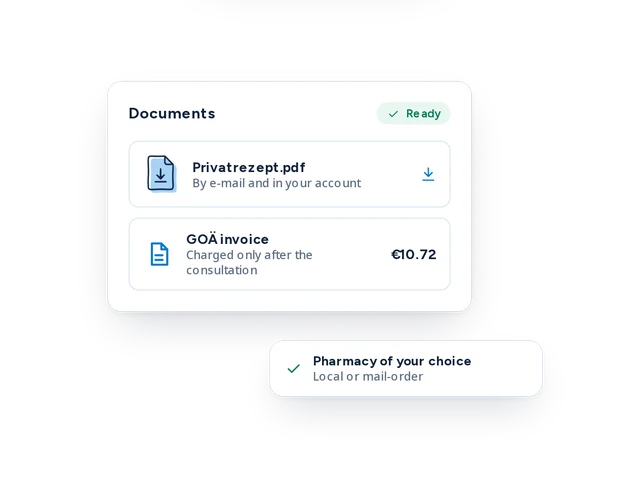
Prescription, sick note or referral, digitally

Estimated wait

~ min wait

Related treatments

More conditions we treat by video consultation.

AVAILABLE NOW

Video consultation — usually <15 min wait

Medical notice: Not a substitute for an in-person medical examination. The information on this page is intended for general guidance only. In an emergency, please call 112.

Frequently Asked Questions

Can conjunctivitis be assessed in a video consultation?

In many cases, yes. Conjunctivitis is a classic visual diagnosis: redness, discharge and eyelid swelling can often be assessed well via camera or an uploaded photo. The doctor will also ask about your symptoms and identify warning signs that would require a visit to an ophthalmology practice.

Will I receive eye drops via private prescription?

Following medical assessment, a private prescription may be issued, for example for lubricating, anti-allergic or – if a bacterial cause is suspected – antibiotic eye drops. The doctor makes this decision during the consultation based on your symptoms and the appearance of the eye. You receive the prescription digitally and can redeem it at any pharmacy.

What does the treatment cost and will my insurance cover it?

Billing is carried out as a private service according to the German medical fee schedule (GOÄ). Privately insured patients can usually submit the invoice to their private health insurer; reimbursement depends on the individual plan. Self-paying patients receive a transparent GOÄ invoice, and the costs are displayed before treatment.

Is conjunctivitis contagious?

Viral and bacterial conjunctivitis are often contagious and are mainly transmitted via the hands. Wash your hands regularly, use separate towels and avoid rubbing your eyes. Allergic and irritant-related forms, on the other hand, are not contagious.

When should I see an ophthalmologist directly for conjunctivitis?

In case of severe eye pain, marked deterioration in vision, pronounced light sensitivity, injuries, or if you wear contact lenses and have a red, painful eye, you should promptly visit an ophthalmology practice or emergency department. An ophthalmological examination is also advisable if your symptoms do not improve within a few days despite treatment.