

Sinusitis (sinus infection)

Sinusitis is an inflammation of the mucous membranes lining the paranasal sinuses, usually following a viral respiratory infection. Typical signs are facial pressure pain, a blocked nose and thick mucus. In a video consultation, the condition can be assessed based on your medical history, and an appropriate therapy can be initiated following the doctor's assessment.

12 doctors available now

Overview

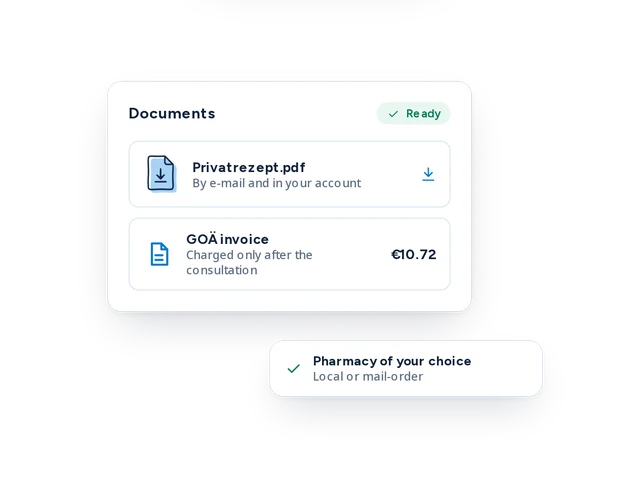
Sinusitis is one of the most common conditions of the upper respiratory tract. The mucous membranes lining the air-filled cavities in the forehead, cheeks and around the nose become inflamed, usually following a common cold. The membranes swell, mucus can no longer drain properly, and a feeling of pressure develops in the face, which often intensifies when bending over. In most cases, acute sinusitis is caused by viruses and resolves on its own within two to four weeks. In an OpenClinic24 video consultation, the doctor takes a structured medical history: duration and course of the symptoms, location of the pain, accompanying symptoms and relevant pre-existing conditions. On this basis, and following the doctor's assessment, a therapy can be initiated, for example with decongestant or corticosteroid nasal sprays. Where indicated, a private prescription can be issued in accordance with the German medical fee schedule (GOÄ); billing is carried out as a private service for privately insured and self-paying patients.
Common causes

In most cases, acute sinusitis is triggered by viruses that initially cause a common cold. Swelling of the nasal mucosa narrows the passages connecting the nose to the sinuses, mucus builds up, and pathogens can multiply more easily. Less frequently, a bacterial superinfection develops in the course of the illness. Contributing factors include anatomical narrowing such as a deviated nasal septum or enlarged nasal turbinates, nasal polyps, allergic rhinitis – for example due to pollen or house dust mite allergy –, dental infections in the upper jaw, as well as smoking and dry indoor air. Anyone who is repeatedly affected or suffers from symptoms for longer than twelve weeks may have developed chronic sinusitis. In that case, further investigation is advisable in order to treat the underlying cause in a targeted way.

When to see a doctor

You can initially manage uncomplicated sinusitis with nasal rinses, steam inhalation and adequate fluid intake. Medical advice is warranted if symptoms last longer than ten days, worsen again after initial improvement, if fever above 38.5 °C occurs, or if there is severe one-sided facial pain. A medical assessment is also advisable in case of recurring episodes or suspected allergic causes. Visit a practice or emergency department without delay if you notice swelling or redness of the eyelids or forehead, visual disturbances, double vision, or severe headache with neck stiffness. In case of impaired consciousness, seizures or rapidly increasing facial swelling, call the emergency number 112 immediately. These signs can indicate a rare but serious spread of the inflammation to the eye socket or the membranes of the brain and require immediate in-person treatment.

Symptoms & Indications

Pressure or throbbing pain over the forehead, cheeks or behind the eyes Blocked nose and impaired nasal breathing Thick, yellowish-green nasal discharge Pain worsening when bending over or leaning forward Reduced sense of smell and taste Headache and a feeling of pressure in the head Mucus running down the throat (postnasal drip) with frequent throat clearing Fatigue and mild fever

Treatment Options

  • Decongestant nasal sprays for a limited period, following the doctor's assessment
  • Corticosteroid nasal sprays to reduce inflammation
  • Nasal rinses with isotonic saline solution
  • Steam inhalation as a supportive home remedy
  • Mucolytic agents to loosen mucus
  • Pain-relieving and anti-inflammatory agents if needed
  • Adequate fluid intake and physical rest

Important Notes

  • A video consultation does not replace a physical examination, nasal endoscopy or imaging. In unclear or severe cases, an in-person visit to an ENT practice is required.
  • Decongestant nasal sprays should not be used for longer than about one week without medical advice, as prolonged use can lead to dependence.
  • See a doctor promptly if you develop a fever above 39 °C, severe one-sided facial pain, or symptoms lasting longer than ten days.
  • In case of swelling or redness around the eye, visual disturbances, neck stiffness, impaired consciousness or seizures, call the emergency number 112 immediately.
HOW IT WORKS

How OpenClinic24 works

STEP 01

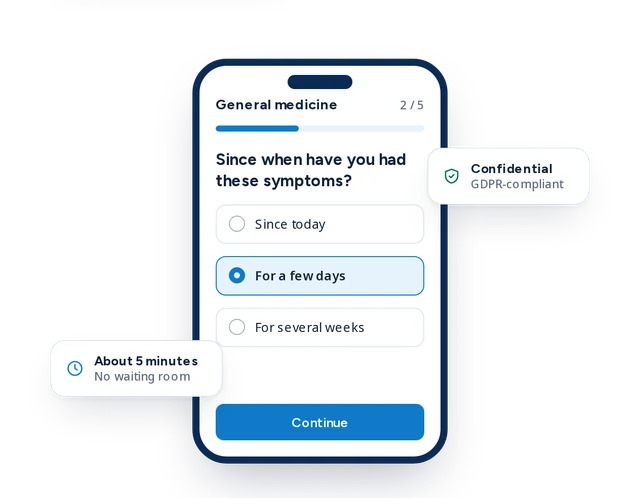
Complete the questionnaire

Brief details about your symptoms

STEP 02

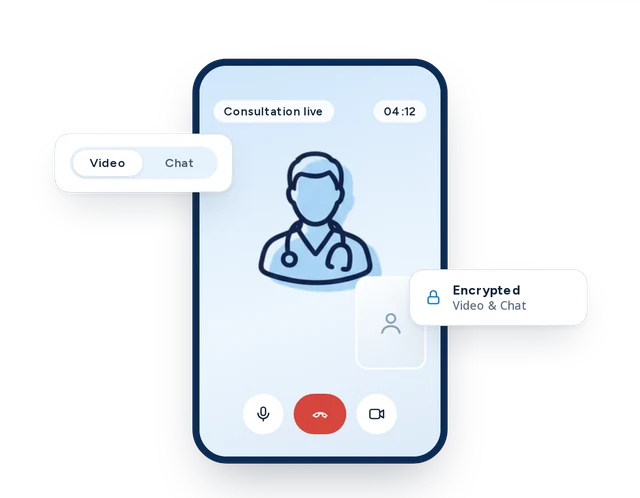
Doctor connects with you

Video consultation within minutes

STEP 03

Receive your documents

Prescription, sick note or referral, digitally

Estimated wait

~ min wait

Related treatments

More conditions we treat by video consultation.

AVAILABLE NOW

Video consultation — usually <15 min wait

Medical notice: Not a substitute for an in-person medical examination. The information on this page is intended for general guidance only. In an emergency, please call 112.

Frequently Asked Questions

Can sinusitis be treated via video consultation?

Yes, in many cases. Acute sinusitis is a typical history-based diagnosis: the symptoms you describe, along with their duration and course, usually allow a sound medical assessment. Following the doctor's assessment, therapy with decongestant or corticosteroid nasal sprays can be initiated and a private prescription issued. If warning signs are present or the picture is unclear, you will be referred to a local practice.

Which home remedies help with sinusitis?

Proven home remedies include nasal rinses with isotonic saline solution, steam inhalation, drinking plenty of fluids, sleeping with the upper body slightly elevated and physical rest. They can relieve symptoms and support mucus drainage. However, home remedies do not replace a medical evaluation if symptoms persist or worsen.

When are antibiotics necessary?

Most cases of acute sinusitis are caused by viruses; antibiotics are not effective in these cases and are therefore used with restraint. Only when there are signs of a bacterial infection, such as high fever, severe one-sided pain or renewed worsening after initial improvement, may an antibiotic be appropriate following the doctor's assessment. The doctor makes this decision individually during the consultation.

What does treatment at OpenClinic24 cost?

Billing is carried out as a private medical service according to the German medical fee schedule (GOÄ). Privately insured patients can usually submit the invoice to their health insurer; reimbursement depends on the individual tariff. Self-paying patients receive a transparent invoice based on the GOÄ. You can see the expected costs before booking.

How long does sinusitis last?

Acute viral sinusitis usually improves within one to two weeks and generally resolves within four weeks at the latest. If symptoms persist for longer than twelve weeks, this is considered chronic sinusitis, which should be investigated further. If there is no improvement, you should seek medical advice.