

Hay Fever & Pollen Allergy

Hay fever (seasonal allergic rhinitis) is an allergic reaction of the nasal and eye mucous membranes to pollen from trees, grasses or weeds. Typical signs are sneezing fits, a runny or blocked nose and itchy, watery eyes during the pollen season. Following a doctor's assessment, symptomatic treatment – for example with antihistamines or a corticosteroid nasal spray – can be initiated in a video consultation based purely on your medical history.

12 doctors available now

Overview

Hay fever, medically known as seasonal allergic rhinitis, is one of the most common allergic conditions in Germany. The immune system overreacts to pollen from trees, grasses or weeds that is actually harmless. Typical symptoms include sneezing fits, a runny or blocked nose and itchy, watery eyes. Many affected people also feel tired and find it harder to concentrate during the pollen season, which can noticeably impair daily life, work and sleep. Depending on the type of pollen involved, symptoms occur at specific times of year – from early bloomers such as hazel and alder in late winter, to birch in spring, to grasses and weeds in summer. Typical hay fever can often be identified reliably from the medical history. In the video consultation, the doctor takes a structured medical history and, following an individual assessment, can initiate symptomatic treatment, for example with antihistamines or a corticosteroid nasal spray by private prescription under the German fee schedule (GOÄ).
Common causes

Hay fever is caused by an overreaction of the immune system to protein components of pollen. On contact with the mucous membranes of the nose and eyes, messenger substances including histamine are released, triggering the typical symptoms. The most common triggers in Germany include tree pollen such as hazel, alder and birch, grass and cereal pollen, and weed pollen such as mugwort and the increasingly widespread ragweed (Ambrosia). A hereditary predisposition increases the risk: children whose parents have allergies more frequently develop hay fever themselves. Environmental factors such as air pollutants can additionally irritate the mucous membranes and promote allergic reactions. Because of milder winters and longer flowering periods, the pollen season is starting earlier and lasting longer, so many affected people experience symptoms for several months of the year.

When to see a doctor

Mild hay fever can often be managed well. You should seek medical advice if your symptoms significantly affect your daily life or sleep, if over-the-counter remedies are not sufficient, or if the symptoms are occurring for the first time and are unclear. Warning signs that require an in-person examination include wheezing, chest tightness or a persistent cough as possible indications of allergic asthma, as well as one-sided nasal symptoms, bloody discharge, fever or severe facial pain as possible signs of sinusitis. Call the emergency number 112 immediately if acute shortness of breath, swelling of the face, lips or tongue, difficulty swallowing, circulatory problems or impaired consciousness occur – these can be signs of a severe allergic reaction (anaphylaxis). In all other cases, a video consultation is a suitable first step towards a medical assessment.

Symptoms & Indications

Sudden sneezing fits Runny nose with clear, watery discharge Blocked nose and obstructed nasal breathing Itchy, red and watery eyes Itching of the palate, nose and throat Tiredness and difficulty concentrating during the pollen season Feeling of pressure over the sinuses Worsening of symptoms outdoors and in windy weather

Treatment Options

  • Oral antihistamines – by private prescription following a doctor's assessment
  • Corticosteroid nasal sprays for allergic inflammation of the nasal lining
  • Anti-allergic eye drops if the eyes are affected
  • Saline nasal rinses to flush out pollen
  • Pollen avoidance: keep windows closed, check pollen forecasts, wash your hair in the evening
  • Change clothes after being outdoors and do not leave them in the bedroom
  • Long term: assessment for allergen immunotherapy (desensitisation) with an in-person allergist

Important Notes

  • A video consultation does not replace allergy testing. Skin or blood tests and allergen immunotherapy require an in-person appointment with an allergy specialist.
  • If you notice signs of a severe allergic reaction – shortness of breath, swelling of the face, lips or tongue, difficulty swallowing or circulatory problems – call the emergency number 112 immediately.
  • Whether a prescription is issued is decided by the doctor after an individual assessment during the consultation. There is no entitlement to a specific medication.
  • If you have wheezing, a persistent cough or suspected allergic asthma, a physical examination should be carried out in person.
HOW IT WORKS

How OpenClinic24 works

STEP 01

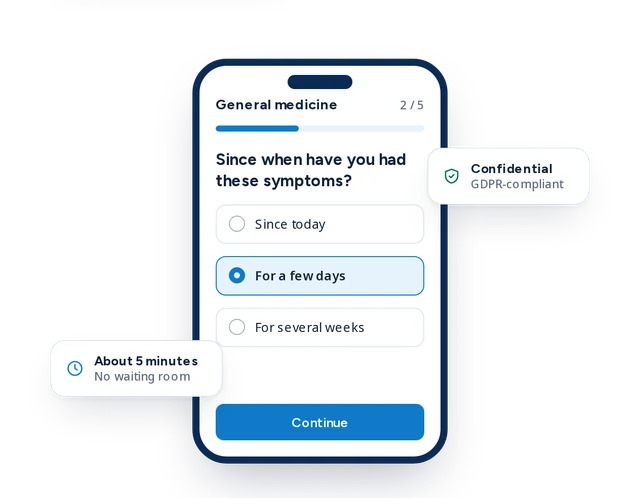
Complete the questionnaire

Brief details about your symptoms

STEP 02

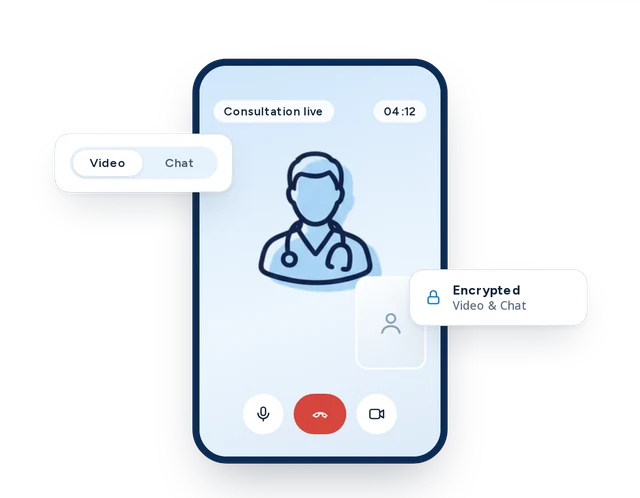
Doctor connects with you

Video consultation within minutes

STEP 03

Receive your documents

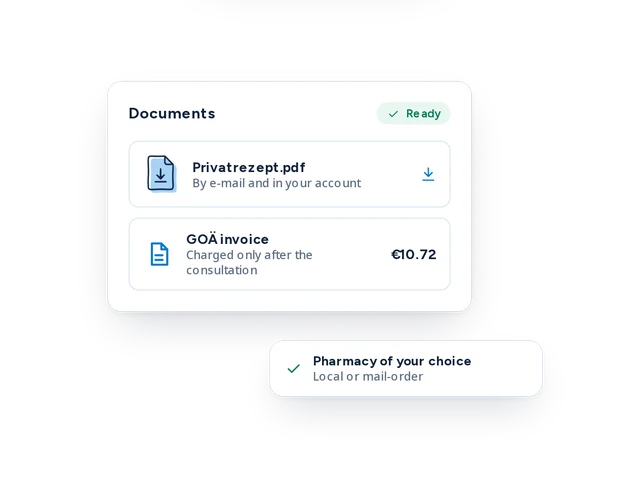
Prescription, sick note or referral, digitally

Estimated wait

~ min wait

Related treatments

More conditions we treat by video consultation.

AVAILABLE NOW

Video consultation — usually <15 min wait

Medical notice: Not a substitute for an in-person medical examination. The information on this page is intended for general guidance only. In an emergency, please call 112.

Frequently Asked Questions

Can I get a prescription for hay fever without visiting a practice?

In many cases, yes. For typical seasonal allergic rhinitis, the doctor can assess after a structured medical history in the video consultation whether a private prescription – for example for antihistamines or a corticosteroid nasal spray – is medically appropriate. The decision always rests with the treating doctor; there is no entitlement to a prescription.

What does the treatment cost and will my insurance cover it?

Billing is carried out as a private service according to the German medical fee schedule (GOÄ). Privately insured patients can usually submit the invoice to their private health insurer; reimbursement depends on the individual tariff. Self-paying patients receive a transparent GOÄ invoice. Any medication costs at the pharmacy are additional.

Do I need an allergy test before I can be treated?

An allergy test is not strictly required for the symptomatic treatment of typical hay fever; the assessment can often be made based on your medical history. However, an allergy test at an allergy practice is advisable if the triggers are unclear or if allergen immunotherapy is being considered. Your doctor will advise you on this in the video consultation.

Do antihistamines make you tired?

Modern second-generation antihistamines cause tiredness far less often than older substances. Some individuals may still be sensitive to them. Discuss possible side effects and your individual situation – such as driving or operating machinery – openly in the video consultation.

When should I see a doctor in person for hay fever?

An in-person examination is advisable if symptoms persist despite treatment, if wheezing or shortness of breath occurs, or if allergic asthma is suspected. One-sided nasal symptoms, bloody discharge or fever should also be examined physically. In the case of acute shortness of breath or facial swelling, call the emergency number 112 immediately.