Vitamin D deficiency

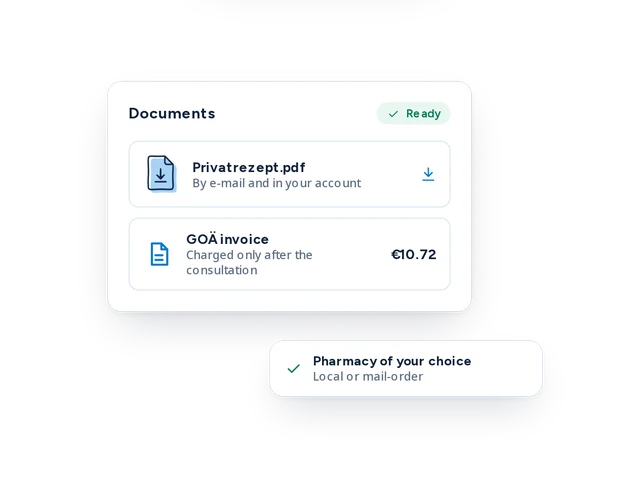
Vitamin D deficiency is one of the most common nutrient deficiencies in Germany, especially during the low-sunlight months from October to March. In a video consultation, you discuss your laboratory value with a doctor and, following the doctor's assessment, can receive a private prescription for a prescription-only high-dose vitamin D preparation – entirely without a physical examination.

12 doctors available now

Overview

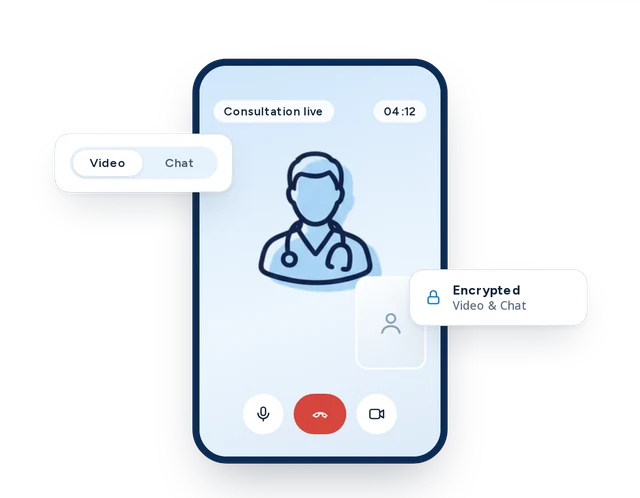
Vitamin D holds a special position among vitamins: the body produces most of it itself when sunlight reaches the skin. In Germany, the intensity of sunlight from October to March is usually insufficient for this, which is why low vitamin D levels are widespread in this country. A deficiency develops gradually and often goes unnoticed for a long time; possible consequences include tiredness, muscle weakness and, in the long term, reduced bone stability. Whether a deficiency is actually present can only be reliably determined by a blood test of the 25-OH vitamin D value. In an OpenClinic24 video consultation, you can have your existing laboratory value assessed by a doctor. Following the doctor's assessment, a private prescription for a prescription-only high-dose vitamin D preparation can be issued – with no waiting room and no physical examination required. Billing is transparent and based on the German medical fee schedule (GOÄ) for privately insured and self-paying patients. This makes the consultation a particularly straightforward option for prevention and follow-up monitoring.
Common causes

By far the most common cause of vitamin D deficiency is too little sunlight on uncovered skin. Those particularly affected include people who work mainly indoors, older people whose skin produces less vitamin D, and people with darker skin types living at northern latitudes. Consistent sun protection and clothing that covers the body also reduce the body's own production. Dietary intake can only cover the requirement to a limited extent, as only a few foods – such as oily sea fish or egg yolk – contain significant amounts. Less frequently, medical causes are involved: chronic gastrointestinal diseases with impaired fat absorption, pronounced obesity, liver or kidney disease, and certain medications, for example some anti-epileptic drugs. In these cases, further medical evaluation is advisable, as simply taking a preparation is then often not sufficient.

When to see a doctor

A medical consultation is advisable if a laboratory result shows a low vitamin D level, or if you have persistent complaints such as pronounced tiredness, muscle weakness or recurrent infections for which no other explanation can be found. You should also seek medical advice before taking high-dose preparations, as vitamin D can be overdosed. Warning signs that go beyond a purely preventive question and should be evaluated promptly in a practice include unintended weight loss, persistent bone pain, fractures without an apparent cause, or pronounced muscle weakness with unsteady gait. If impaired consciousness, seizures, cardiac arrhythmias or signs of paralysis occur, this may be an emergency – in that case, call the emergency number 112 immediately. Such situations do not belong in a video consultation, but in emergency care.

Symptoms & Indications

Persistent tiredness and exhaustion Muscle weakness or muscle pain Bone and limb pain Increased susceptibility to infections Low mood, especially during the winter months Difficulty concentrating Hair loss

Treatment Options

  • Medical discussion and interpretation of your 25-OH vitamin D laboratory value
  • Following the doctor's assessment, a private prescription for a prescription-only high-dose vitamin D preparation
  • Advice on suitable intake schedules (daily or at longer intervals)
  • Recommendations on sunlight and time spent outdoors
  • Dietary advice on foods rich in vitamin D
  • Review of possible interactions with your existing medication
  • Planning a follow-up check of your vitamin D level

Important Notes

  • A video consultation does not replace a physical examination. In the case of unclear or pronounced symptoms, an in-person visit to a practice may be necessary.
  • A current laboratory value (25-OH vitamin D) is generally required for the prescription of a high-dose preparation; the decision is made by the doctor on a case-by-case basis.
  • Vitamin D can be overdosed. Only take high-dose preparations on a doctor's recommendation.
  • If warning signs such as impaired consciousness, seizures or cardiac arrhythmias occur, call the emergency number 112 immediately.
HOW IT WORKS

How OpenClinic24 works

STEP 01

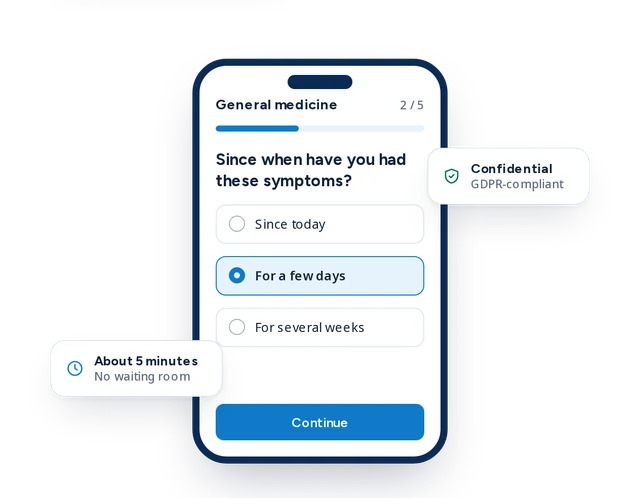
Complete the questionnaire

Brief details about your symptoms

STEP 02

Doctor connects with you

Video consultation within minutes

STEP 03

Receive your documents

Prescription, sick note or referral, digitally

Estimated wait

~ min wait

Related treatments

More conditions we treat by video consultation.

AVAILABLE NOW

Video consultation — usually <15 min wait

Medical notice: Not a substitute for an in-person medical examination. The information on this page is intended for general guidance only. In an emergency, please call 112.

Frequently Asked Questions

Do I need a current laboratory value for the video consultation?

A current 25-OH vitamin D value is generally required for a well-founded discussion of your level and for the prescription of a high-dose preparation. You can have it measured by your general practitioner or directly at a laboratory. If no value is available yet, the doctor will advise you on how best to have it measured.

What does the treatment cost, and will my private health insurance cover it?

Billing is transparent and based on the German medical fee schedule for private patients (GOÄ). Private health insurers generally reimburse the costs of a video consultation within the scope of the respective plan. As a self-paying patient, you receive a GOÄ invoice; you can see the expected costs before booking. You pay for the vitamin D preparation itself at the pharmacy.

Can I be issued a prescription for high-dose vitamin D via video?

Yes, this is possible in principle. Following the doctor's assessment of your laboratory value and medical history, a private prescription for a prescription-only high-dose vitamin D preparation can be issued. There is no entitlement to a prescription – the decision always rests with the treating doctor.

Is high-dose vitamin D dangerous?

With medically supervised intake, the treatment is generally well tolerated. However, uncontrolled intake of very large amounts can lead to an overdose with elevated calcium levels. High-dose preparations should therefore only be taken on a doctor's recommendation and with follow-up monitoring.

How quickly will my vitamin D level return to normal?

This depends on your initial value and the chosen intake schedule. The level can often be raised within a few weeks to months. A follow-up measurement, as recommended by your doctor, will show whether the treatment is working sufficiently.