

Overview
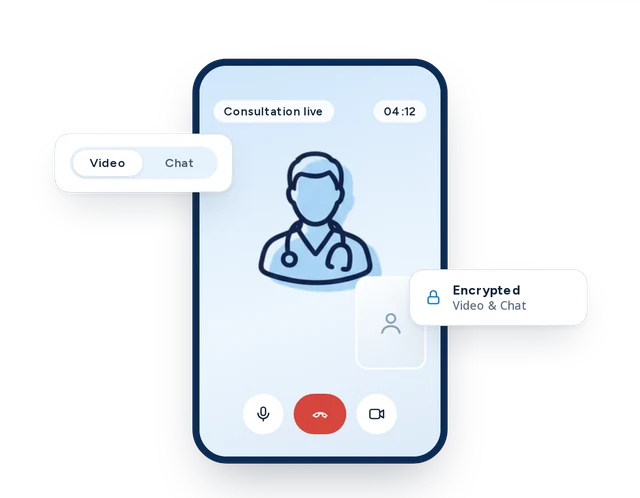
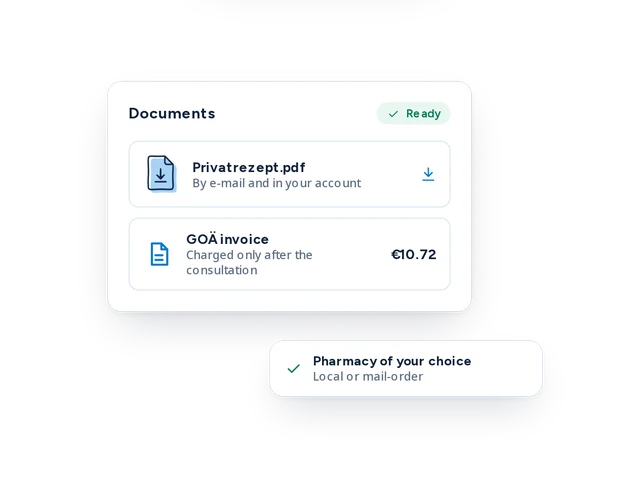
Chlamydia is among the most common sexually transmitted infections in Germany. It is caused by the bacterium Chlamydia trachomatis, which is transmitted primarily through unprotected sexual intercourse. A large proportion of infections cause no noticeable symptoms and therefore go undetected for a long time. Left untreated, however, a chlamydia infection can ascend and cause inflammation of the uterus and fallopian tubes in women, and of the epididymis and prostate in men. Possible long-term consequences include chronic lower abdominal pain and infertility. A confirmed chlamydia infection can usually be treated well with antibiotics. If you already have a positive test result – for example from a laboratory or a certified mail-in test – the medical consultation and, subject to the doctor's assessment, the issuing of a private prescription can take place entirely via video call. There is no waiting room to visit: treatment is discreet, encrypted and handled from home. Billing is provided as a private medical service according to the German GOÄ fee schedule.
Common causes
Chlamydia is transmitted almost exclusively through unprotected vaginal, anal or oral intercourse. Sharing sex toys can also enable transmission. Because many infected people notice no symptoms, they pass the bacteria on unknowingly – which explains the high prevalence, especially among younger adults. Risk factors include frequently changing sexual partners, not using condoms, and an untreated infection in one's partner. During childbirth, an infected mother can also transmit the bacteria to her newborn, which can cause eye and lung infections. A past infection does not confer immunity: anyone who does not protect themselves, or whose partner remains untreated, can become reinfected immediately. This is why informing and treating sexual partners is a fixed part of therapy.
When to see a doctor
Seek medical advice if you notice burning when urinating, unusual discharge, bleeding between periods or pain during intercourse – or if a sexual partner has tested positive for chlamydia. Even without symptoms, a test is advisable after a risk contact. Visit a practice or clinic in person promptly if you develop severe or worsening lower abdominal pain, fever, painful swelling of a testicle or a pronounced feeling of illness: these signs may indicate an ascending infection that requires a physical examination. Pregnant women with a confirmed infection need dedicated medical care. If you notice signs of a medical emergency – such as high fever with chills and circulatory problems, extremely severe abdominal pain or impaired consciousness – call the emergency number 112 immediately.