
Overview
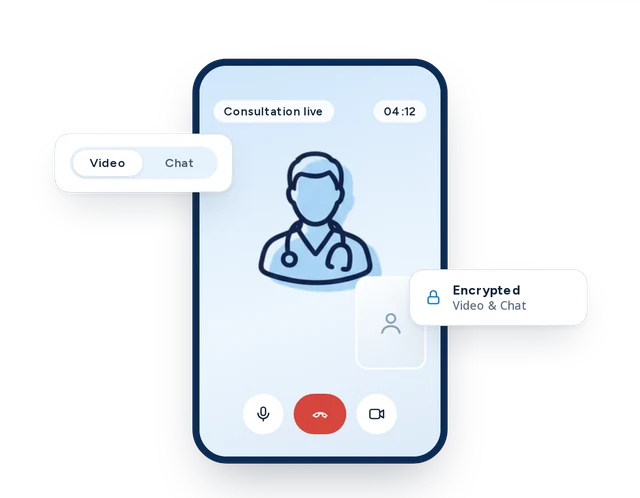
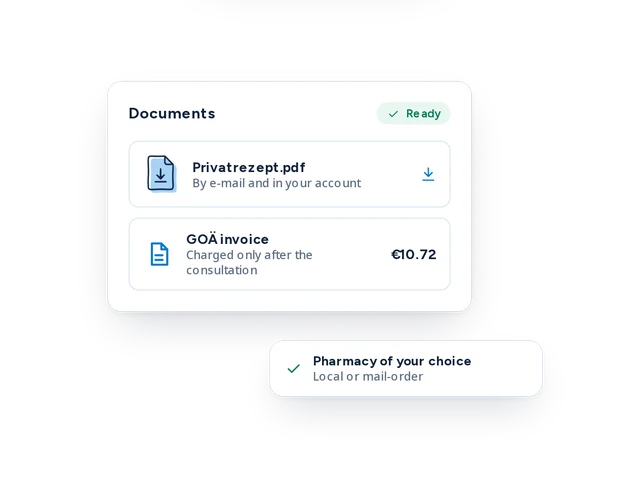
Benign prostate enlargement (benign prostatic hyperplasia, BPH) is one of the most common conditions in older men. Around half of men over 60 have an enlarged prostate, many of them with noticeable urinary symptoms. Because the prostate surrounds the urethra directly below the bladder, its growth can obstruct the flow of urine: the stream becomes weaker, urination takes longer, and the bladder does not empty completely. Many men affected get up several times a night, which can considerably impair sleep and quality of life. The condition is benign and usually responds well to treatment. In many patients, symptoms can be kept stable in the long term with medication – above all alpha-1 receptor blockers such as tamsulosin. For men whose treatment is already well established, a repeat prescription can also be issued in a video consultation after medical assessment – discreetly, with no waiting room and no long journey.
Common causes
The exact cause of benign prostate enlargement has not been fully established. What is considered certain is that hormonal changes with age play a central role: as the years pass, the balance of sex hormones shifts, which can stimulate the growth of prostate tissue. Age is therefore the most important risk factor – the condition becomes markedly more common from the age of 50 onwards. In addition, hereditary predisposition, excess weight, lack of exercise and metabolic disorders such as diabetes mellitus are discussed as contributing factors. Lifestyle also influences the symptoms: alcohol, caffeine and large amounts of fluid in the evening can intensify the urge to urinate, as can certain medications. Important to know: benign enlargement is not a precursor of prostate cancer; however, both conditions can exist at the same time independently of each other.
When to see a doctor
As a rule, have newly occurring urinary symptoms assessed by a urologist before starting long-term treatment. See a doctor promptly if your symptoms worsen despite treatment, if you notice blood in your urine, if urinary tract infections keep recurring, or if urination becomes painful. Fever combined with flank pain is also a warning sign and may indicate involvement of the kidneys. Acute urinary retention is an emergency: the bladder is completely full, but despite a strong urge no urine can be passed, usually accompanied by increasing pain in the lower abdomen. In this case call the emergency number 112 or have someone take you to an emergency department without delay. If, on the other hand, you have been stable on your medication for some time, a video consultation is a suitable way to review your progress and obtain a repeat prescription.