Premature ejaculation

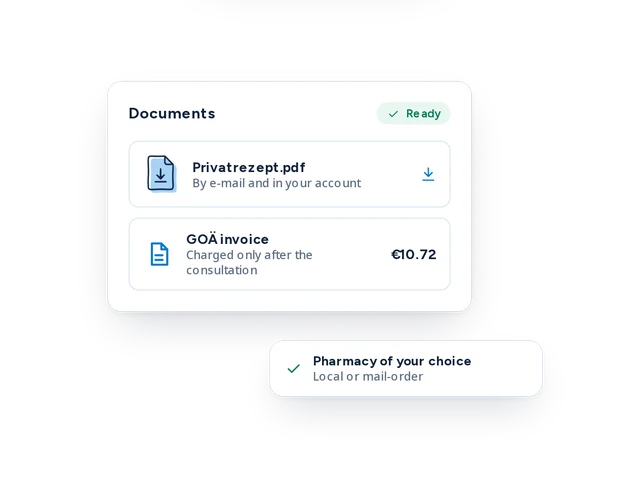
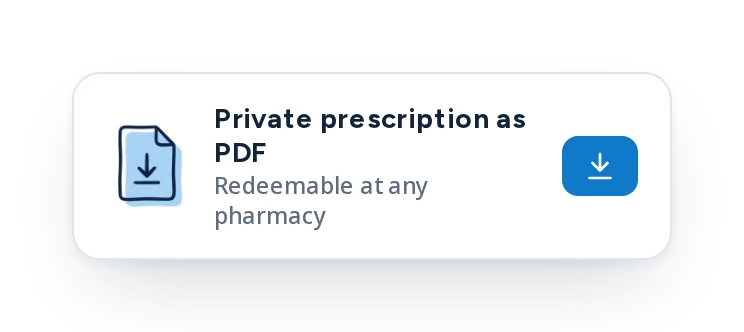
Premature ejaculation (ejaculatio praecox) is the most common male sexual dysfunction. Ejaculation repeatedly occurs earlier than the man would like, often shortly after intercourse begins. Following a medical assessment, prescription treatment can be initiated in a video consultation – in many cases without a physical examination.

12 doctors available now

Overview

Premature ejaculation is the most common male sexual dysfunction: an estimated 20 to 30 percent of all men are affected at least temporarily. Doctors speak of ejaculatio praecox when ejaculation repeatedly occurs very early – often within about one minute of the start of intercourse – with a lack of control over its timing and resulting distress. A distinction is made between a lifelong form, present since the first sexual experiences, and an acquired form that develops later. Premature ejaculation is not a question of willpower but a recognised and very treatable condition. Because the diagnosis is based primarily on the medical interview, a video consultation is well suited for the assessment. Following a medical assessment, prescription treatment – for example with a serotonin reuptake inhibitor approved for this indication or a numbing spray – can be initiated via a private prescription.
Common causes

The causes differ depending on the form. In the lifelong form, a neurobiological predisposition is assumed, in particular altered signalling of the neurotransmitter serotonin, which helps regulate the ejaculation reflex. Increased sensitivity of the glans may also play a role. The acquired form more often has identifiable triggers: these include erectile dysfunction, where men unconsciously try to "finish quickly", inflammation of the prostate or urethra, and an overactive thyroid. Psychological factors often act as amplifiers – such as stress, performance anxiety, relationship conflicts or infrequent sexual activity. A self-perpetuating cycle of tension and early ejaculation frequently develops. Medical assessment also serves to identify and specifically treat underlying triggers such as erectile dysfunction or a thyroid disorder.

When to see a doctor

A medical assessment is advisable if early ejaculation occurs regularly, causes you distress or puts a strain on your relationship – even if the symptoms have existed for a long time. Certain warning signs require a physical examination in a urology practice: pain on ejaculation or urination, blood in the semen or urine, fever, urethral discharge, or newly developed premature ejaculation together with other symptoms. If erectile dysfunction is present at the same time, the cause should also be clarified medically. If fainting, collapse, chest pain or severe shortness of breath occurs after taking a medication, this is a possible emergency: call the emergency number 112 immediately. In all other cases, the video consultation is a discreet first step – the doctor will discuss causes, warning signs and possible treatment options with you.

Symptoms & Indications

Ejaculation regularly occurring within about one minute of the start of intercourse Feeling of having little or no control over the timing of ejaculation Considerable distress or frustration Tension and performance anxiety before intercourse Avoidance of intimacy and sexual activity Strain on the relationship Symptoms present since the first sexual experiences (lifelong form) or newly developed (acquired form) Coexisting erection problems

Treatment Options

  • Following a medical assessment, a selective serotonin reuptake inhibitor approved for this indication (dapoxetine) may be prescribed for on-demand use
  • Following a medical assessment, a numbing spray or cream containing a local anaesthetic (e.g. lidocaine) may be prescribed
  • Behavioural techniques such as the start-stop and squeeze methods
  • Regular pelvic floor training
  • Use of condoms that reduce sensitivity
  • Sex or couples therapy for psychological triggers or relationship conflicts
  • Treatment of a coexisting erectile dysfunction

Important Notes

  • A video consultation does not replace a physical examination: if you have pain on ejaculation, blood in the semen or urine, fever or problems urinating, you need to be seen in a urology practice.
  • A prescription is issued only after an individual medical assessment; there is no entitlement to a specific medication.
  • Tell the doctor about all medicines you take – especially antidepressants and migraine medicines – as dangerous interactions are possible.
  • In case of fainting, collapse, chest pain or severe shortness of breath after taking a medication, call the emergency number 112 immediately.
HOW IT WORKS

How OpenClinic24 works

STEP 01

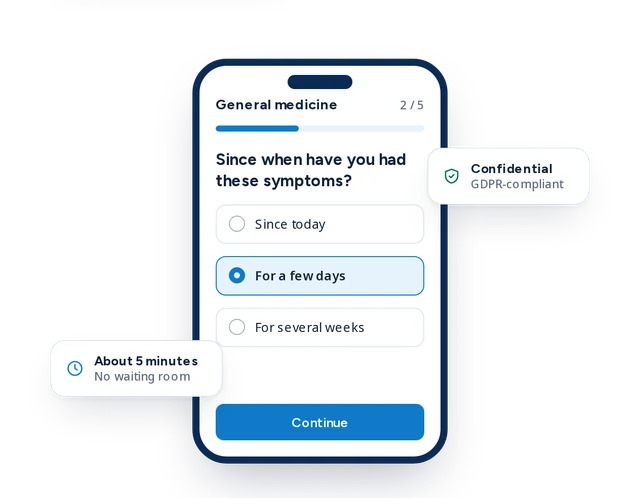
Complete the questionnaire

Brief details about your symptoms

STEP 02

Doctor connects with you

Video consultation within minutes

STEP 03

Receive your documents

Prescription, sick note or referral, digitally

Estimated wait

~ min wait

Related treatments

More conditions we treat by video consultation.

AVAILABLE NOW

Video consultation — usually <15 min wait

Medical notice: Not a substitute for an in-person medical examination. The information on this page is intended for general guidance only. In an emergency, please call 112.

Frequently Asked Questions

Is premature ejaculation common?

Yes, it is the most common male sexual dysfunction. An estimated 20 to 30 percent of men are affected at least temporarily. The condition is very treatable, but is often not discussed out of embarrassment.

Can I get a prescription without a physical examination?

In premature ejaculation the diagnosis is based primarily on the medical interview, so in many cases no physical examination is needed. Following a medical assessment, a private prescription can be issued in the video consultation. If there are warning signs or uncertainties, the doctor will recommend an in-person examination.

What does treatment cost for privately insured patients and self-payers?

The video consultation is billed according to the German medical fee schedule for private treatment (GOÄ). Privately insured patients usually submit the invoice to their private health insurer; self-payers receive a transparent invoice based on the GOÄ. The cost of any prescribed medication is paid separately at the pharmacy and depends on the product.

Does a medication work permanently?

Medicines such as an on-demand serotonin reuptake inhibitor or a numbing spray only work for the period of use; they do not remove the underlying cause. Combined with behavioural techniques and pelvic floor training, however, control can often be improved in the long term as well. You decide on the appropriate strategy together with your doctor.

What is the difference between the lifelong and the acquired form?

The lifelong form has been present since the first sexual experiences and often has a neurobiological basis. The acquired form develops later and can be triggered by erectile dysfunction, prostate inflammation, an overactive thyroid or psychological stress, among other causes. The distinction matters because it influences the choice of treatment.