


Genital herpes (herpes genitalis)

Genital herpes is a common infection of the genital and anal area caused by herpes simplex viruses. Typical signs are painful blisters and sores that can recur in episodes (recurrences). Following a medical assessment, a typical outbreak can in many cases be evaluated via video consultation and photo documentation and treated with antiviral agents.

12 doctors available now

Overview

Genital herpes is one of the most common sexually transmitted infections. It is caused by herpes simplex viruses, usually type 2 and increasingly also type 1. After the first infection, the viruses remain in nerve cells for life and can become active again at intervals. An outbreak often begins with tingling or burning, followed by painful blisters that burst and crust over. Symptoms usually heal within one to three weeks, and typically faster during recurrences. Many affected people experience recurring outbreaks, which often become less frequent over the years. According to current knowledge, a cure is not possible, but the condition can be well controlled: following a medical assessment, antiviral agents can shorten an acute outbreak, and daily suppressive therapy may be considered for frequent recurrences. In the video consultation, your symptoms are assessed based on your medical history and photographs; if suitable, a private prescription can be issued.
Common causes

Transmission occurs mainly through direct skin and mucous membrane contact during vaginal, anal or oral intercourse. Viruses can be shed and passed on even without visible blisters; a large proportion of infections occur during symptom-free phases. Herpes simplex virus type 1, the classic cause of cold sores, can also cause genital herpes through oral sex. After the first infection, the viruses lie dormant in nerve ganglia. Certain triggers can promote recurrences, including feverish infections, psychological stress, lack of sleep, intense UV exposure, mechanical irritation of the skin, hormonal fluctuations such as during menstruation, and a weakened immune system. Individual triggers vary from person to person; keeping a symptom diary can help you recognise your own patterns and discuss them with your doctor.

When to see a doctor

Medical evaluation is advisable if blisters or ulcers appear in the genital area for the first time, if outbreaks recur frequently, or if symptoms do not improve within a few days despite treatment. You should also seek medical advice promptly in the case of severe pain, extensive skin changes, purulent discharge or accompanying fever. Pregnant women with suspected genital herpes should inform their gynaecologist immediately, as transmission to the child during birth is possible. People with a weakened immune system also require close medical supervision. Warning signs of an emergency are high fever with severe malaise, neck stiffness, confusion, seizures, or the inability to pass urine. If such signs occur, do not hesitate: call emergency services 112 or go to an emergency department immediately.

Symptoms & Indications

Painful blisters or small ulcers in the genital or anal area Burning, itching or tingling, often before visible blisters appear Pain or burning when urinating Swollen, tender lymph nodes in the groin Reddened, weeping or crusted patches of skin General malaise, headache and aching limbs, especially during the first infection Recurring symptoms in the same location at intervals of weeks to months

Treatment Options

  • Antiviral agents (virostatics) to treat an acute outbreak – following a medical assessment, a private prescription can be issued
  • Suppressive therapy with antiviral agents over several months for frequent recurrences – following a medical assessment, with regular follow-up
  • Pain-relieving agents (analgesics) for pronounced symptoms
  • Local care: keep the affected skin clean and dry and avoid irritating products
  • Sitz baths and soothing topical preparations to support healing
  • Advice on transmission routes, protective measures and informing partners

Important Notes

  • A physical examination and swab testing are not possible via telemedicine. If the skin findings are unclear, or symptoms are occurring for the first time or are unusually severe, an in-person visit to a practice may be necessary.
  • Pregnant women with suspected genital herpes – especially towards the end of pregnancy – should promptly inform their gynaecologist or the maternity clinic.
  • In case of high fever with severe malaise, neck stiffness, confusion, seizures, or an inability to pass urine (urinary retention): seek emergency medical care immediately; if in doubt, call emergency services 112.
  • According to current knowledge, genital herpes cannot be cured; the virus remains in the body. Treatment can relieve symptoms, speed up healing and reduce recurrences.
HOW IT WORKS

How OpenClinic24 works

STEP 01

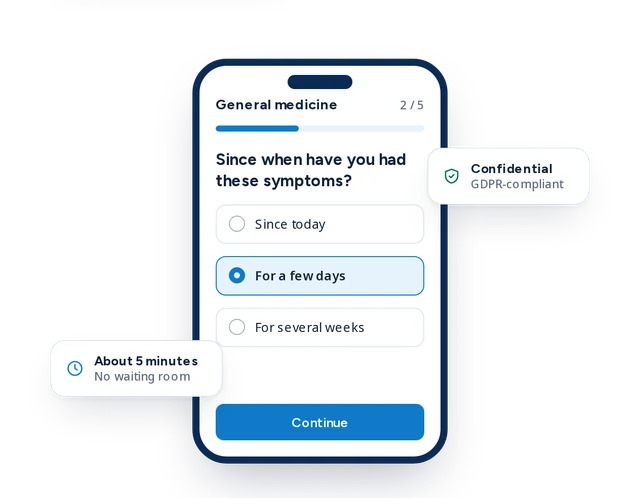
Complete the questionnaire

Brief details about your symptoms

STEP 02

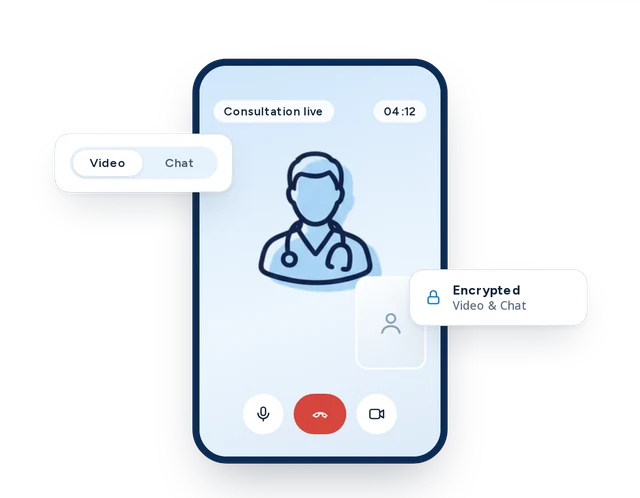
Doctor connects with you

Video consultation within minutes

STEP 03

Receive your documents

Prescription, sick note or referral, digitally

Estimated wait

~ min wait

Related treatments

More conditions we treat by video consultation.

AVAILABLE NOW

Video consultation — usually <15 min wait

Medical notice: Not a substitute for an in-person medical examination. The information on this page is intended for general guidance only. In an emergency, please call 112.

Frequently Asked Questions

Can genital herpes be treated via video consultation?

A typical herpes outbreak can often be assessed based on your medical history and clear photographs. Following a medical assessment, a private prescription for antiviral agents can then be issued. If the findings are unclear, or in the case of a first infection with severe malaise or complications, the doctor will recommend an in-person examination.

What is suppressive therapy and who is it suitable for?

For frequent recurrences – as a guideline, around six or more outbreaks per year – daily intake of antiviral agents over several months may be considered following a medical assessment. The aim is to reduce the number and severity of outbreaks and lower the risk of transmission. Whether suppressive therapy is suitable for you and how long it is continued is decided by the doctor over the course of treatment; follow-up prescriptions can be issued after a renewed medical assessment.

Can genital herpes be cured?

No. After the first infection, herpes simplex viruses remain in nerve cells for life and can become active again. However, antiviral treatment can relieve acute symptoms, speed up healing and, when taken regularly, significantly reduce the frequency of recurrences.

What does treatment cost and will my insurance cover it?

Billing is carried out as a private medical service according to the German medical fee schedule (GOÄ). Privately insured patients can usually submit the invoice to their private health insurer; reimbursement depends on the individual policy. Self-paying and statutorily insured patients bear the costs of the video consultation and the private prescription themselves. The cost of the medication at the pharmacy is additional.

How can I avoid infecting others?

The risk of transmission is highest during an outbreak; sexual contact should be avoided during this time. Condoms reduce the risk of transmission but do not eliminate it entirely, as surrounding skin areas can also be affected. Transmission is also possible without visible symptoms; medically supervised suppressive therapy can further reduce the risk.