
Overview
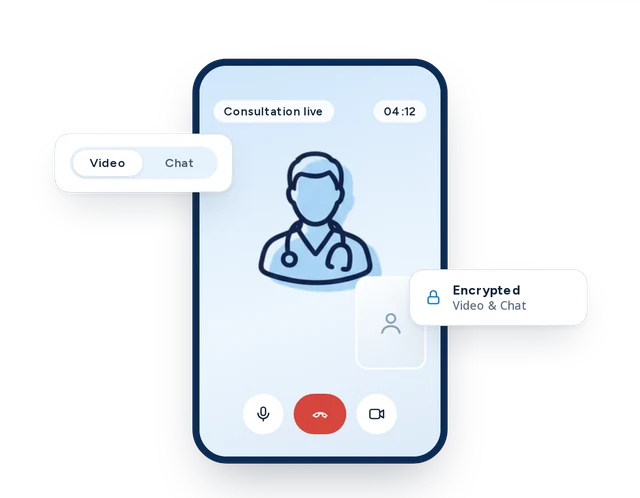
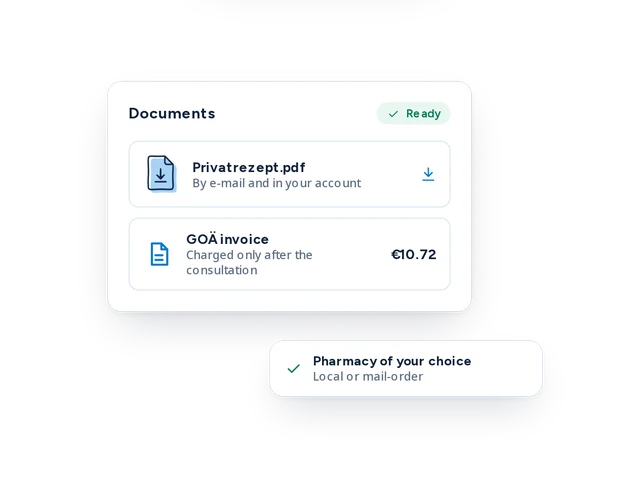
A vaginal yeast infection, medically known as vulvovaginal candidiasis, is one of the most common reasons for gynaecological consultations. Around three out of four women experience such an infection at least once in their lives, many of them repeatedly. It is usually triggered by Candida yeasts, which can be part of the normal vaginal flora in small numbers and multiply excessively under certain conditions. Typical symptoms are itching, burning and a whitish, crumbly discharge; the discharge usually does not smell unpleasant. An uncomplicated yeast infection is easily treatable and generally harmless, but can be very distressing. In the OpenClinic24 video consultation, you describe your symptoms discreetly from home. After medical assessment, a private prescription for a suitable antifungal can be issued – as topical treatment or, where medically appropriate, in tablet form. For frequently recurring episodes, medically supervised relapse prevention can also be discussed.
Common causes
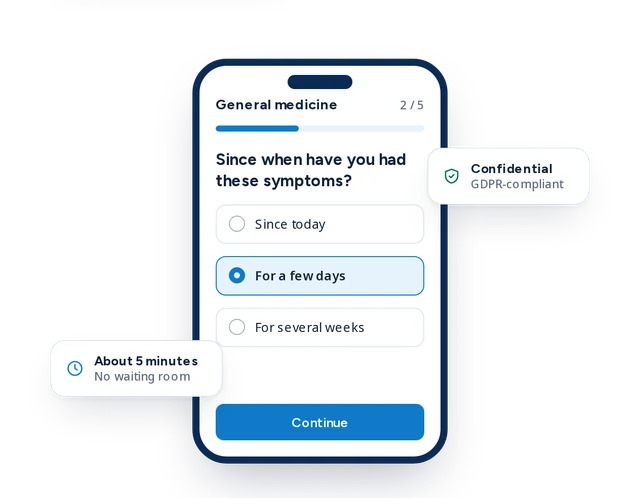
Candida colonisation of the vagina is not in itself pathological. Symptoms arise when the balance of the vaginal flora is disturbed and the yeasts multiply strongly. Common triggers are antibiotic treatments, which reduce the protective lactic acid bacteria, and hormonal changes due to pregnancy, the menstrual cycle or hormonal contraception. Poorly controlled diabetes mellitus, a weakened immune system and certain medications such as corticosteroids also favour infection. Mechanical and chemical irritants play a role as well: excessive intimate hygiene, vaginal douching, perfumed care products, and tight, non-breathable clothing or permanently damp swimwear create an environment in which yeasts grow well. In the video consultation, these factors are systematically reviewed, because addressing or avoiding them is an important part of preventing further episodes.
When to see a doctor
You should seek medical advice if symptoms occur for the first time, cannot be clearly attributed, or do not improve within a few days of over-the-counter treatment. An in-person gynaecological examination with a swab is required if discharge is foul-smelling, yellow-greenish or bloody, or if you have fever, severe lower abdominal pain or pain when urinating with flank pain – such signs argue against an uncomplicated yeast infection and may indicate a bacterial infection, a sexually transmitted disease or an ascending infection. Medical evaluation is also important during pregnancy, with known diabetes, a weakened immune system, and with four or more episodes per year. If signs of a severe general reaction occur, such as shortness of breath, circulatory collapse or high fever with chills, call the emergency number 112 immediately.