

Bacterial vaginosis

Bacterial vaginosis is a disturbance of the natural balance of the vaginal flora in which protective lactic acid bacteria are displaced by other bacteria. Typical signs are increased, thin discharge and an unpleasant, fishy odour. Following a medical assessment, treatment with antibiotics such as clindamycin or metronidazole can be initiated via a private prescription.

12 doctors available now

Overview

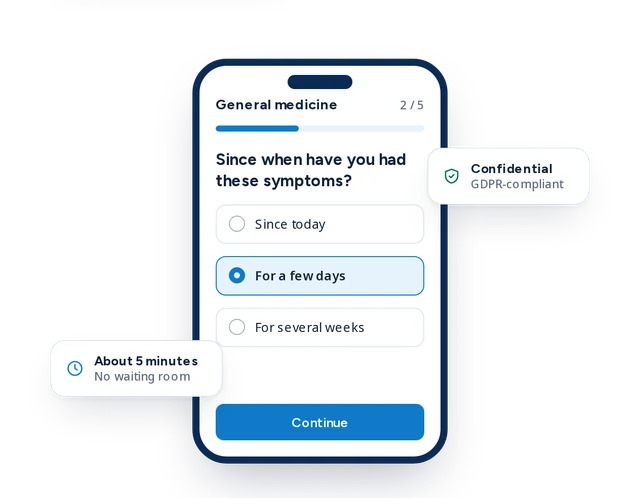
Bacterial vaginosis is the most common microbial disturbance of the vaginal flora in women of childbearing age. The natural lactic acid bacteria (lactobacilli) fall out of balance and are displaced by other bacteria, above all Gardnerella vaginalis. Typical signs are an increased, thin, grey-white discharge and an unpleasant, fishy odour that is often more noticeable after sexual intercourse. However, about half of those affected notice no or only mild symptoms. Bacterial vaginosis is not a classic sexually transmitted disease, but sexual activity can promote its development. Left untreated, it can increase the risk of ascending infections and of complications in pregnancy. Treatment is usually with antibiotics such as metronidazole or clindamycin, as tablets or for vaginal use. At OpenClinic24 you describe your symptoms in a structured medical history questionnaire and then discuss them in a video consultation. Following the medical assessment, a private prescription can be issued, provided treatment via telemedicine is appropriate.

Common causes

Bacterial vaginosis develops when the acidic environment of the vagina is disturbed and the protective lactobacilli decline. Contributing factors include frequent or new sexual partners, unprotected intercourse, excessive intimate hygiene with vaginal douching or perfumed products, and hormonal changes, for example during menstruation, pregnancy or the menopause. A copper coil, smoking, persistent stress and antibiotic treatment for other reasons can also affect the balance of the vaginal flora. If the vaginal pH rises, bacteria such as Gardnerella vaginalis can multiply strongly and form a biofilm on the vaginal wall. This biofilm also explains why bacterial vaginosis recurs in some of those affected after initially successful treatment. Transmission in the strict sense, for example via toilets or swimming pools, is considered very unlikely.

When to see a doctor

Seek medical advice if you notice altered discharge with an unpleasant odour for the first time, or if symptoms persist despite treatment or keep coming back. You should visit a gynaecological practice in particular if you are pregnant, develop a fever, have lower abdominal pain, intermenstrual bleeding or pain during intercourse, or if a sexually transmitted infection is suspected. These situations require a physical examination and cannot be conclusively assessed via telemedicine. Warning signs of a serious complication are high fever with chills, severe or increasing lower abdominal pain, purulent discharge and feeling distinctly unwell; in these cases you should be examined by a doctor on the same day. If there are signs of circulatory failure, such as confusion, a very rapid heartbeat or impending loss of consciousness, call the emergency number 112 immediately.

Symptoms & Indications

Thin, grey-white discharge Unpleasant, fishy odour, often stronger after sexual intercourse Increased discharge Mild burning or itching in the vaginal area Redness or irritation of the vulva Burning when urinating Discomfort during sexual intercourse Sometimes no noticeable symptoms at all

Treatment Options

  • Following a medical assessment, antibiotic treatment with agents such as metronidazole or clindamycin may be given, as tablets or for vaginal use
  • Lactic acid or lactobacillus preparations to support restoring the vaginal flora
  • Avoiding vaginal douching and perfumed intimate care products
  • Gentle intimate hygiene with water or mild, pH-balanced washes
  • Breathable cotton underwear and avoiding permanently tight-fitting clothing
  • Condoms can reduce the risk of recurrence
  • Medical follow-up for persistent or recurring symptoms

Important Notes

  • A video consultation does not replace a gynaecological examination. In case of pregnancy, fever, lower abdominal pain, intermenstrual bleeding or suspected sexually transmitted infection, an in-person visit to a practice is required.
  • A prescription is not guaranteed. Whether medication can be prescribed is decided by the doctor after the structured medical history and the video consultation.
  • If you have a high fever with chills, severe lower abdominal pain or feel seriously unwell, you should be examined by a doctor on the same day.
  • If there are signs of circulatory failure, such as confusion, a very rapid heartbeat or impending loss of consciousness, call the emergency number 112 immediately.
HOW IT WORKS

How OpenClinic24 works

STEP 01

Complete the questionnaire

Brief details about your symptoms

STEP 02

Doctor connects with you

Video consultation within minutes

STEP 03

Receive your documents

Prescription, sick note or referral, digitally

Estimated wait

~ min wait

Related treatments

More conditions we treat by video consultation.

AVAILABLE NOW

Video consultation — usually <15 min wait

Medical notice: Not a substitute for an in-person medical examination. The information on this page is intended for general guidance only. In an emergency, please call 112.

Frequently Asked Questions

Can I get a prescription for bacterial vaginosis via video consultation?

You first describe your symptoms in a structured medical history questionnaire and then discuss them with a doctor by video. Following the medical assessment, a private prescription for a suitable antibiotic such as metronidazole or clindamycin can be issued if the clinical picture is clear and there are no warning signs. In unclear cases, you will be advised to have an examination at a gynaecological practice.

What does the treatment cost and will my insurance cover it?

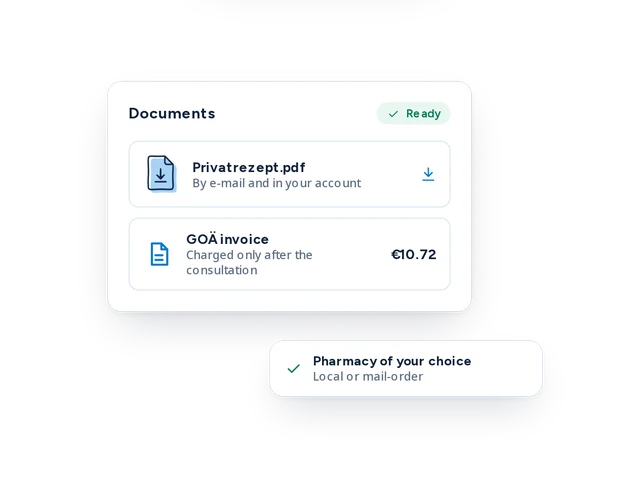
Billing is done as a private medical service according to the German medical fee schedule (GOÄ). Privately insured patients can usually submit the invoice to their health insurer; reimbursement depends on the individual policy. Self-paying patients receive a transparent GOÄ invoice; the cost of any prescribed medication at the pharmacy may be additional.

How does bacterial vaginosis differ from a yeast infection?

In bacterial vaginosis, the main feature is a thin, grey-white discharge with a fishy odour, while itching is usually mild. A yeast infection, by contrast, typically causes intense itching and a whitish, crumbly discharge without a noticeable odour. Because the treatment differs fundamentally, an accurate assessment by a doctor is important.

Does my partner need to be treated as well?

Bacterial vaginosis is not considered a classic sexually transmitted infection, and routine treatment of male partners is currently not generally recommended. In cases of frequent recurrence, the doctor may nevertheless discuss an examination or co-treatment on an individual basis. For female partners, an assessment can be useful if they also have symptoms.

What applies during pregnancy?

During pregnancy, untreated bacterial vaginosis can increase the risk of complications such as preterm birth. Pregnant women should therefore not have their symptoms assessed via telemedicine but directly at their gynaecological practice. There, examination, diagnosis and treatment suitable for pregnancy can be carried out safely.