
Period Pain & Menstrual Complaints

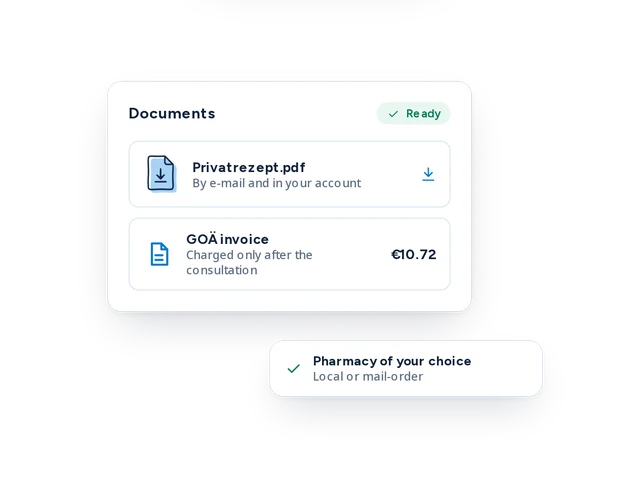
Period pain (dysmenorrhea) and menstrual cycle complaints affect many women month after month and can significantly restrict everyday life. In a video consultation, doctors advise you discreetly on possible causes and treatment options. Following a medical assessment, a private prescription for suitable pain therapy may be issued.

12 doctors available now

Overview

Period pain (dysmenorrhea) is one of the most common gynaecological complaints and mainly affects young women. Typical symptoms are cramping pains in the lower abdomen that begin shortly before or with the onset of bleeding and can last one to three days. Back pain, nausea, headaches and exhaustion frequently occur as well. Other menstrual cycle complaints such as mood swings, breast tenderness or irregular bleeding can also noticeably affect everyday life. In the OpenClinic24 video consultation, you discuss your symptoms discreetly and without a waiting room with a doctor. Following a medical assessment, a private prescription for suitable pain therapy may be issued, for example for non-steroidal anti-inflammatory drugs or antispasmodic medication. Billing is carried out according to the German medical fee schedule (GOÄ) for privately insured and self-paying patients. Further information on the menstrual cycle, contraception and preventive care can be found in our women's health section.
Common causes

In primary dysmenorrhea, there is no underlying organic disease. The pain is caused by the body's own messenger substances (prostaglandins), which make the uterine muscles contract; this is by far the most common form in young women. In secondary dysmenorrhea, by contrast, the symptoms are the result of an underlying condition. Possible causes include endometriosis, fibroids, ovarian cysts, inflammation in the pelvis or an intrauterine contraceptive device. Stress, lack of sleep, smoking and lack of exercise can also intensify period pain. If severe pain occurs for the first time after the age of 25, increases over several cycles or is also present outside of menstruation, this rather suggests a secondary cause that should be investigated by a gynaecologist.

When to see a doctor

Have your symptoms medically assessed if the pain is so severe that you regularly miss school, university or work, if usual measures such as heat are no longer sufficient, or if your pain changes over time. Warning signs that require a prompt gynaecological examination are unusually heavy or prolonged bleeding, bleeding between periods, pain during sexual intercourse, pain outside of menstruation, and fever or abnormal discharge. Sudden, extremely severe lower abdominal pain, especially together with fainting, circulatory weakness, very heavy bleeding or high fever, may indicate an emergency such as an ectopic pregnancy or ovarian torsion; in this case, call the emergency number 112 immediately. The video consultation is particularly suitable for advice and pain therapy for known, uncomplicated period pain.

Symptoms & Indications

Cramping pain in the lower abdomen Dragging pain in the lower back Nausea and loss of appetite Headaches during menstruation Tiredness and exhaustion Mood swings and irritability Breast tenderness before the period Irregular or heavy bleeding

Treatment Options

  • Medical advice by video on your cycle, causes of pain and self-help measures
  • Following medical assessment: private prescription for non-steroidal anti-inflammatory drugs (NSAIDs)
  • Following medical assessment: antispasmodic medication (spasmolytics)
  • Advice on hormonal treatment options and, where appropriate, a recommendation to see a gynaecologist
  • Heat applications and relaxation techniques
  • Recommendations on exercise, sleep and nutrition
  • Keeping a cycle diary to better characterise your symptoms

Important Notes

  • A video consultation does not replace a gynaecological examination. If symptoms persist, worsen or appear for the first time with severe intensity, a physical examination with ultrasound in a practice is required.
  • See a doctor promptly if pain occurs for the first time with severe intensity, changes over time, or is accompanied by fever, unusually heavy bleeding or bleeding between periods.
  • In the event of sudden, extremely severe lower abdominal pain, fainting, heavy bleeding with circulatory weakness or high fever, call the emergency number 112 immediately.
HOW IT WORKS

How OpenClinic24 works

STEP 01

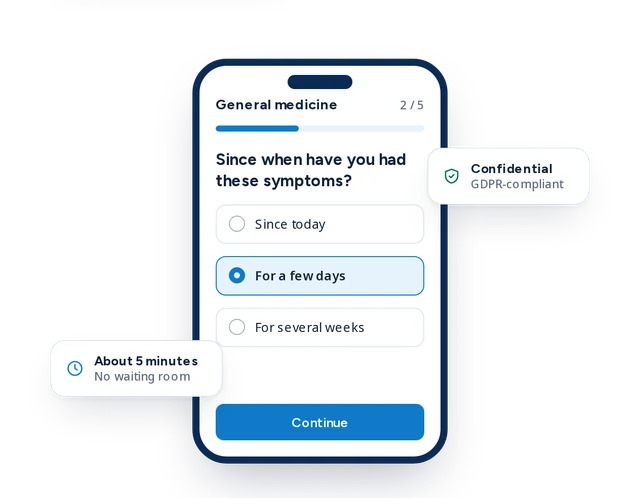
Complete the questionnaire

Brief details about your symptoms

STEP 02

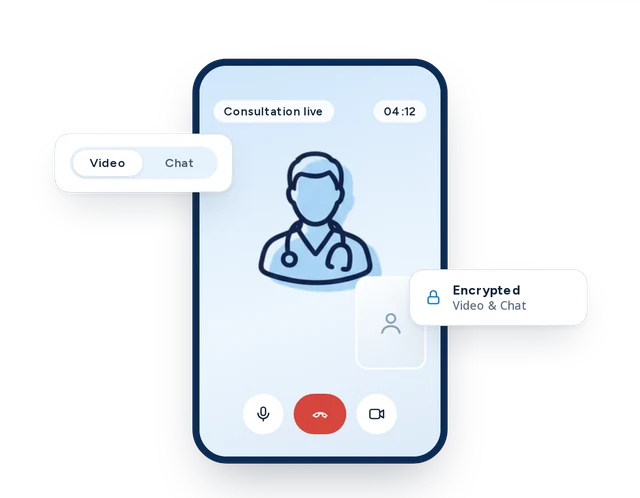
Doctor connects with you

Video consultation within minutes

STEP 03

Receive your documents

Prescription, sick note or referral, digitally

Estimated wait

~ min wait

Related treatments

More conditions we treat by video consultation.

AVAILABLE NOW

Video consultation — usually <15 min wait

Medical notice: Not a substitute for an in-person medical examination. The information on this page is intended for general guidance only. In an emergency, please call 112.

Frequently Asked Questions

Can I get a prescription for period pain via video consultation?

Following a medical assessment, a private prescription may be issued during the video consultation, for example for non-steroidal anti-inflammatory drugs or antispasmodic medication. Whether a prescription is appropriate is decided by the doctor during the consultation based on your information. There is no entitlement to any particular medication.

What does the treatment cost and will my insurance cover it?

Billing is carried out as a private service according to the German medical fee schedule (GOÄ). Privately insured patients can usually submit the invoice to their health insurer; whether and to what extent it is reimbursed depends on the individual tariff. Self-paying patients receive a transparent invoice according to the GOÄ. Patients with statutory insurance can also use the service on a self-pay basis.

How do I know whether my period pain is harmless?

In many young women, so-called primary dysmenorrhea is present without an organic cause. Warning signs of an underlying condition requiring treatment include very severe or worsening pain, symptoms outside of menstruation, pain during sexual intercourse, and unusually heavy bleeding or bleeding between periods. In these cases, a gynaecological examination should be carried out to rule out conditions such as endometriosis or fibroids.

Can hormonal contraceptives help against period pain?

Hormonal contraceptives can relieve period pain in many women, as they regulate the cycle and reduce bleeding. Whether hormonal treatment is suitable for you requires an individual medical assessment of benefits and risks. In the video consultation you will receive initial advice on this; where appropriate, you will be advised to visit a gynaecological practice.

What can I do against period pain myself?

Proven measures include applying heat to the lower abdomen, regular exercise, sufficient sleep and relaxation techniques. A cycle diary helps to identify patterns and triggers and makes the medical consultation easier. If these measures are not sufficient, discuss further pain therapy options with a doctor.