


Genital Warts (Condylomata)

Genital warts, also known as condylomata acuminata, are benign skin growths in the genital and anal area. They are caused by certain types of the human papillomavirus (HPV) and are among the most common sexually transmitted infections. Through the OpenClinic24 video consultation you can discreetly show affected skin areas by photo and have them assessed by a physician.

12 doctors available now

Overview

Genital warts, medically known as condylomata acuminata and colloquially as venereal warts, are benign growths of the skin and mucous membranes in the intimate and anal area. They are among the most common sexually transmitted infections and affect women and men alike. They are caused by certain types of the human papillomavirus (HPV), usually the low-risk types. Many people find the changes distressing and feel ashamed to seek medical help. This is exactly where the video consultation comes in: you can discreetly and independently of location show affected skin areas by photo and receive an initial medical assessment without having to sit in a waiting room. Genital warts are treatable but tend to recur. Early evaluation helps to limit their spread and to avoid infecting others.

Common causes

Genital warts arise from infection with the human papillomavirus, which is mainly transmitted during unprotected sexual intercourse. Contact with infected skin or mucous membrane is enough to cause infection, which is why condoms reduce the risk but do not offer complete protection. Weeks to months can pass between infection and visible warts. A weakened immune system, frequently changing sexual partners, smoking and other genital infections can promote their development. During pregnancy, warts may also appear more often or grow faster. Not every HPV infection leads to visible warts; the virus can remain unnoticed for a long time. The HPV vaccination protects against the most common causative virus types and is an important preventive measure, especially when given before first sexual contact.

When to see a doctor

Seek medical advice if you notice new bumps, growths or skin changes in the genital or anal area so that the cause can be clarified. An in-person examination is particularly important with rapidly growing, bleeding, hardened or discoloured changes, with complaints during pregnancy, with a weakened immune system and when self-treatment does not work. Unclear or recurring findings should also be assessed by a physician to reliably rule out other conditions. Warning signs such as severe, increasing pain with high fever, extensive red swelling or persistent heavy bleeding require prompt medical attention. In case of life-threatening signs such as shortness of breath, altered consciousness or circulatory failure, call the emergency number 112 immediately.

Symptoms & Indications

Small, skin-coloured to reddish bumps in the genital or anal area Cauliflower-like clustered growths Soft, sometimes stalked skin changes on the vagina, penis or anus Mild itching or burning at the affected sites Occasional weeping or soreness between the warts Rare slight bleeding after friction or sexual intercourse A sensation of a foreign body in the intimate area Usually little or no pain

Treatment Options

  • Medical assessment of the skin change based on photos during the video consultation
  • Following medical assessment, topical self-treatment with wart-dissolving agents may be considered
  • Following medical assessment, immune-modulating creams for external use may be an option
  • Education on transmission, condom use and protecting your partner
  • Recommendation of HPV vaccination as a preventive measure after medical advice
  • Referral for in-person treatment (e.g. freezing, laser or surgical removal) when needed
  • Follow-up appointments to monitor progress, as warts can recur

Important Notes

  • Remote treatment is suitable for an initial assessment and topical therapy. A definitive diagnosis or the removal of extensive findings often requires a physical examination on site.
  • In cases of pronounced, rapidly growing, bleeding or hardened changes, an in-person medical evaluation is required to rule out other causes.
  • During pregnancy, with a weakened immune system or an unclear finding, an in-person medical examination should always take place.
  • In case of severe pain with high fever, extensive redness with swelling or persistent heavy bleeding, seek medical help promptly; in life-threatening situations call the emergency number 112.
HOW IT WORKS

How OpenClinic24 works

STEP 01

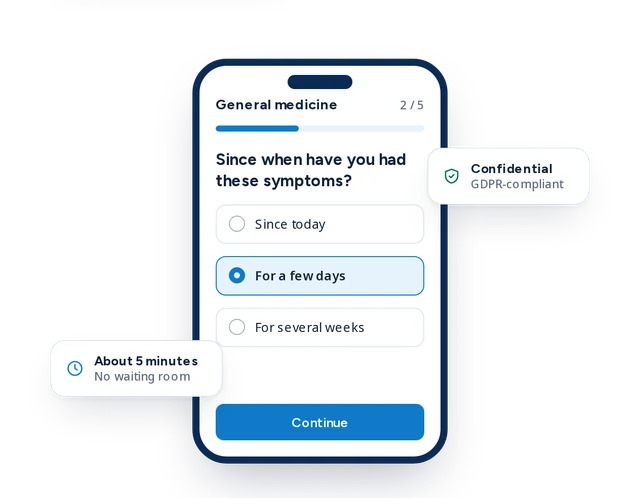
Complete the questionnaire

Brief details about your symptoms

STEP 02

Doctor connects with you

Video consultation within minutes

STEP 03

Receive your documents

Prescription, sick note or referral, digitally

Estimated wait

~ min wait

Related treatments

More conditions we treat by video consultation.

AVAILABLE NOW

Video consultation — usually <15 min wait

Medical notice: Not a substitute for an in-person medical examination. The information on this page is intended for general guidance only. In an emergency, please call 112.

Frequently Asked Questions

Can a video consultation reliably diagnose genital warts?

The physician can make an initial assessment based on uploaded photos and your description and discuss treatment options. A definitive diagnosis or the removal of extensive warts often requires a physical examination on site. Remote treatment is especially suitable if going to a practice feels uncomfortable and you want a discreet initial evaluation.

Do I have to upload intimate photos and is that secure?

A photo of the affected skin area is helpful for the assessment. All data is stored encrypted in Germany and is subject to medical confidentiality and the GDPR. Only the treating physician has access to your records.

What does the treatment cost and does my insurance cover it?

OpenClinic24 bills as a self-pay and private service according to the German scale of fees for physicians (GOÄ). Privately insured patients and those entitled to allowances can usually submit the invoice to their insurer; reimbursement depends on your individual policy. People with statutory insurance bear the costs as self-payers. Any private prescription and pharmacy costs are not included in the consultation fee.

Can I receive a prescription for a cream against genital warts?

Following medical assessment, a private prescription for a topical therapy may be issued for suitable findings, for example for wart-dissolving or immune-modulating agents for external use. Whether a prescription is possible and appropriate is decided by the physician on a case-by-case basis. A prescription cannot be guaranteed.

Can I infect my partner?

Yes, genital warts are contagious and are mostly transmitted during sexual intercourse. Condoms reduce the risk but do not offer complete protection, as uncovered skin areas can also be affected. The physician will advise you on protective measures and on preventive HPV vaccination.