

Overview
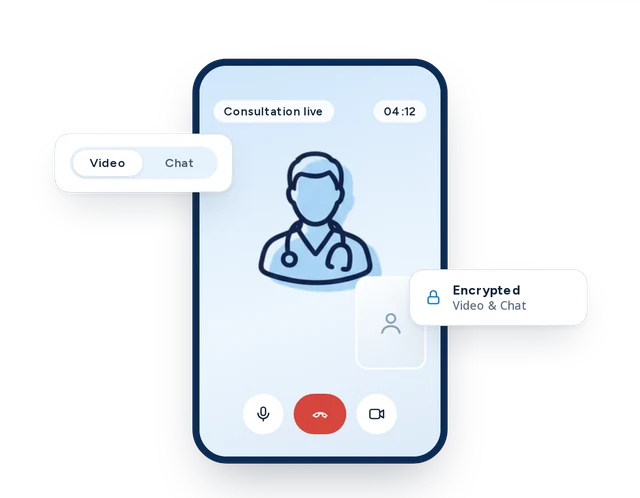
Atopic dermatitis, often simply called eczema, is a chronic inflammatory skin condition that occurs in flares. Typical features are dry skin, intense itching and red eczema patches, in adults frequently in the elbow creases, backs of the knees, on the neck and on the hands. The condition is not contagious and its course varies considerably from person to person: phases of largely calm skin alternate with acute flares. The foundation of every treatment is consistent basic therapy with moisturising emollient products. During flares, anti-inflammatory drug classes such as topical corticosteroids or calcineurin inhibitors may additionally be used following medical assessment. In the OpenClinic24 video consultation, doctors can assess your skin using photos and discussion, monitor its course through structured photo documentation and, where medically appropriate, issue follow-up private prescriptions for established corticosteroid and emollient products billed according to the German GOÄ fee schedule. A cure is not possible according to current knowledge, but with good flare management most people can markedly reduce their symptoms.
Common causes
Atopic dermatitis is based on a genetically determined disturbance of the skin barrier: the skin loses more moisture and becomes more permeable to irritants and allergens. There is often a family predisposition to atopy, which also includes hay fever and allergic asthma. On this basis, various triggers can promote a flare. These include dry skin and dry indoor heating air, frequent washing with degreasing cleansers, scratchy textiles such as wool, sweating, infections and psychological stress. Allergens such as house dust mites, pollen or animal dander can also play a role; in some people, particularly children, certain foods contribute as well. Which factors are relevant in an individual case varies from person to person. A symptom diary and photo-based progress monitoring can help identify personal triggers and avoid them in a targeted way.
When to see a doctor
You should seek medical advice if itching and eczema increase despite consistent basic skin care, if a flare does not improve as usual, or if your sleep is severely disturbed by itching. Signs of a bacterial superinfection – such as honey-coloured crusts, increasing pain, warmth or purulent discharge – should be assessed by a doctor at short notice. Particular caution applies to eczema herpeticum: if rapidly spreading, grouped blisters appear on eczematous skin together with fever or marked malaise, go to a practice or emergency department without delay. Medical assessment is also advisable for eczema around the eyes or for unclear, newly appearing skin changes. In case of emergency signs such as shortness of breath, swelling of the face, lips or tongue, or circulatory problems, call the emergency number 112 immediately.