

Cold sores (herpes labialis)

Cold sores (herpes labialis) are a common infection of the lips and surrounding skin caused by herpes simplex viruses. Typical signs are painful, grouped blisters that usually heal within one to two weeks. In a video consultation, the finding can be assessed visually by a doctor; following medical assessment, a private prescription for antiviral agents may be issued.

12 doctors available now

Overview

Cold sores (herpes labialis) are among the most common viral skin infections. In most cases they are caused by herpes simplex virus type 1, less frequently by type 2. A large proportion of adults carry the virus, but not everyone develops visible outbreaks. A typical outbreak often begins with tingling, burning or a feeling of tightness on the lip. Within a few hours to days, grouped, fluid-filled blisters form, which burst, weep and then crust over. Without treatment, an uncomplicated outbreak usually heals within one to two weeks. Because the appearance is very characteristic, cold sores are well suited to telemedical visual diagnosis: in the video consultation, the doctor can assess the finding, clarify questions about the course and, following medical assessment, issue a private prescription for antiviral agents. Time matters particularly in an acute outbreak, as treatment started early can favourably influence the duration and severity of symptoms.
Common causes

Initial infection with herpes simplex viruses often occurs in childhood through close contact, for example through kissing or shared objects. After the initial infection, the viruses retreat into nerve ganglia, where they remain dormant for life. A visible cold sore outbreak occurs when the viruses become active again. Typical triggers include intense sun exposure or UV light, feverish infections such as colds, psychological or physical stress, lack of sleep, and hormonal changes, for example related to the menstrual cycle. Mechanical irritation of the lip, dental procedures, injuries and a weakened immune system can also promote an outbreak. Which triggers play a role varies from person to person. Knowing your personal triggers helps with prevention – for example through consistent UV protection for the lips, sufficient sleep and mindful handling of stressful periods.

When to see a doctor

An uncomplicated cold sore outbreak can be assessed by a doctor in the video consultation – this is particularly useful if you need an assessment early in the outbreak and, where appropriate, a private prescription. You should have an in-person examination promptly if the blisters are very extensive, spread beyond the lip to larger areas of skin, are unusually painful, or have not healed after two weeks. The same applies to frequent recurrences, a weakened immune system, pregnancy, and fever with marked malaise. Eye involvement is a warning sign: in case of redness, pain, light sensitivity or visual disturbances, you should seek ophthalmological help immediately. If high fever with neck stiffness, confusion, impaired consciousness or seizures occurs, call the emergency number 112 immediately. Special caution applies to newborns: if an infant develops blisters, poor feeding or fever after contact with an affected person, immediate medical attention is required.

Symptoms & Indications

Tingling, burning or a feeling of tightness on the lip as an early warning sign Grouped, fluid-filled blisters on the lip or corner of the mouth Pain or itching in the affected area Weeping areas after the blisters burst Yellowish crusting during the healing phase Mild swelling and redness of the surrounding skin Occasionally swollen lymph nodes or mild malaise

Treatment Options

  • Antiviral creams (nucleoside analogues) applied as early as possible
  • Antiviral tablets (e.g. aciclovir or valaciclovir) following medical assessment, especially for pronounced or frequently recurring outbreaks
  • Cold sore patches (hydrocolloid patches) to protect the affected area
  • Drying or soothing topical measures, such as zinc-containing ointments
  • Over-the-counter pain relievers for more severe discomfort
  • Hygiene measures: do not touch the blisters, wash your hands regularly, do not share towels or lip products
  • Consistent UV protection for the lips to prevent new outbreaks

Important Notes

  • The video consultation is suitable for the visual diagnosis of typical cold sore outbreaks; unclear or extensive skin findings may require an in-person examination.
  • If the eye is involved (redness, pain, light sensitivity, visual disturbances), if the outbreak is extensive, or if your immune system is weakened, you should visit a practice or clinic promptly.
  • Keep your distance from newborns and infants during an active outbreak – transmission can be dangerous for them.
  • In case of high fever with pronounced malaise, neck stiffness, confusion or seizures, call the emergency number 112 immediately.
HOW IT WORKS

How OpenClinic24 works

STEP 01

Complete the questionnaire

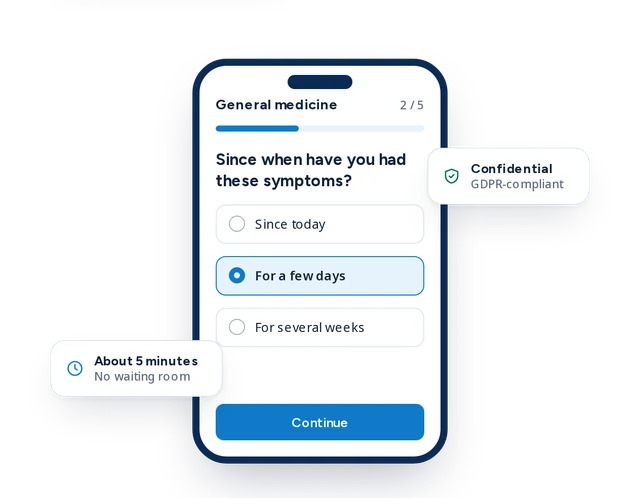
Brief details about your symptoms

STEP 02

Doctor connects with you

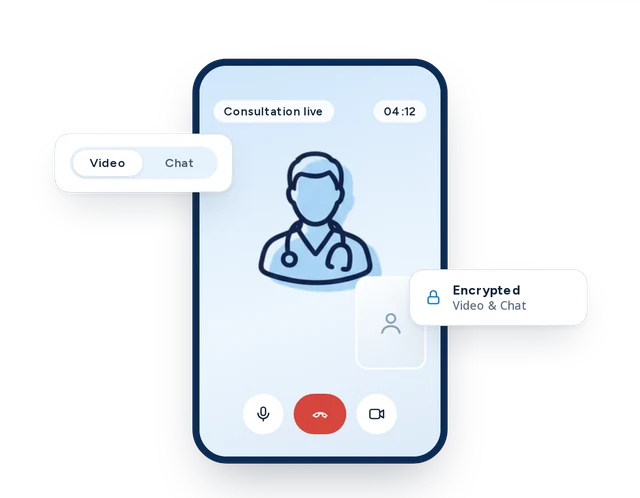
Video consultation within minutes

STEP 03

Receive your documents

Prescription, sick note or referral, digitally

Estimated wait

~ min wait

Related treatments

More conditions we treat by video consultation.

AVAILABLE NOW

Video consultation — usually <15 min wait

Medical notice: Not a substitute for an in-person medical examination. The information on this page is intended for general guidance only. In an emergency, please call 112.

Frequently Asked Questions

Can cold sores be diagnosed via video consultation?

Yes, cold sores are usually a visual diagnosis: the typical picture of grouped blisters on the lip can generally be assessed well via camera. The doctor will also discuss the course, early warning signs and previous outbreaks with you. If the finding is unclear or atypical, an in-person visit may be recommended.

How quickly should treatment begin during an acute outbreak?

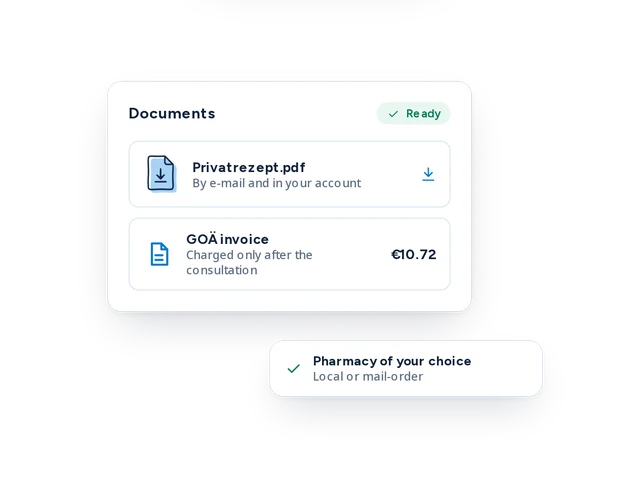
Antiviral agents work best when used as early as possible – ideally at the first tingling or burning sensation. Via the video consultation you receive a timely medical assessment, often on the same day. Following medical assessment, a private prescription may be issued, which you can redeem at a pharmacy of your choice.

What does the treatment cost, and will my private health insurance cover it?

Billing is carried out as a private service according to the German medical fee schedule (GOÄ). You receive a transparent invoice that you can submit to your private health insurance or Beihilfe; reimbursement depends on your plan. You can also use the video consultation as a self-paying patient without private insurance – the costs are displayed before treatment.

Why do cold sores keep coming back?

After the initial infection, herpes simplex viruses remain in the body's nerve ganglia for life. Triggers such as sunlight, stress, feverish infections or hormonal changes can reactivate the viruses and cause an outbreak. Permanent removal of the viruses is not possible; however, outbreaks can often be shortened and eased, and following medical assessment a preventive strategy can be discussed in cases of very frequent recurrences.