Shingles (herpes zoster)

Shingles (herpes zoster) is caused by reactivation of the chickenpox virus and presents with burning pain and a blistering rash that usually affects one side of the body. Antiviral therapy is most effective when started within 48 to 72 hours after the first blisters appear. Because the condition can often be recognised visually, a medical assessment via photo and video is frequently possible at short notice.

12 doctors available now

Overview

Shingles (herpes zoster) is caused by reactivation of the varicella-zoster virus, which remains in the body's nerve ganglia for life after a chickenpox infection. Typical signs are burning pain and grouped blisters that usually spread on one side of the body in a band-like pattern along a skin nerve. The trunk is most commonly affected, but the condition can also occur on the face, head or limbs. Timing is crucial: treatment with antiviral medicines is most effective when started within 48 to 72 hours after the first blisters appear. Subject to medical assessment, it can shorten the course of the illness, relieve symptoms and reduce the risk of persistent nerve pain. Because shingles can often be recognised visually, a telemedicine assessment via photo and video is particularly well suited to making use of this time window. At OpenClinic24 you can get a medical video consultation at short notice; if medically indicated, a private prescription can be issued.
Common causes

Shingles is not triggered by a new infection but by reactivation of the varicella-zoster virus already present in the body. After chickenpox – usually in childhood – the virus retreats into nerve ganglia, where it can remain unnoticed for decades. If the immune defence is weakened, the virus can become active again and travel along the affected nerve to the skin. Common contributing factors include older age, particularly from 50 onwards, acute or chronic stress, lack of sleep, severe infections or surgery, as well as illnesses and medicines that suppress the immune system, such as chemotherapy or long-term corticosteroid treatment. Strong UV exposure and physical exhaustion are also discussed as possible triggers. In many cases, however, no clear trigger can be identified. Anyone who has had chickenpox carries the virus – so shingles can, in principle, affect anyone.

When to see a doctor

Seek medical advice within 72 hours of the first blisters appearing if possible, because antiviral therapy is most effective within this time window. An immediate in-person examination is required if the rash appears on the face, especially near the eye, nose or ear: complications such as visual disturbances, hearing loss or facial paralysis can occur. You should also visit a practice or hospital promptly if your immune system is significantly weakened, if you are pregnant, if the rash extends over several body regions or if the skin shows signs of a purulent secondary infection. Call the emergency number 112 in case of high fever with neck stiffness, confusion, impaired consciousness, sudden paralysis or shortness of breath – these signs can indicate a dangerous spread of the infection. For an uncomplicated course on the trunk, a telemedicine assessment via photo and video can be a fast first step.

Symptoms & Indications

Burning or stabbing pain on one side of the body Grouped blisters on reddened skin, usually in a band-like pattern Tingling, itching or sensitivity to touch even before the rash appears General feeling of illness and fatigue Mild fever Headache Crusting of the blisters over one to two weeks

Treatment Options

  • Antiviral medicines, subject to medical assessment, ideally started within 48 to 72 hours
  • Pain management with suitable analgesics as needed
  • Drying, antiseptic topical treatment of the blisters
  • Cool, moist compresses to relieve pain and itching
  • Physical rest and adequate fluid intake
  • Covering the blisters to avoid infecting unprotected persons
  • For persistent nerve pain: medicines for neuropathic pain, subject to medical assessment

Important Notes

  • If the face is affected, especially the eye, nose or ear, an immediate in-person medical examination is required – telemedicine cannot replace a physical examination in these cases.
  • A video consultation does not replace a physical examination. If the findings are unclear, if your immune system is weakened or if you are pregnant, a visit to a practice or hospital may be necessary.
  • In case of high fever with neck stiffness, confusion, impaired consciousness, sudden paralysis or a widespread rash over the whole body, call the emergency number 112.
  • A private prescription is only issued if it is medically indicated according to the doctor's assessment.
HOW IT WORKS

How OpenClinic24 works

STEP 01

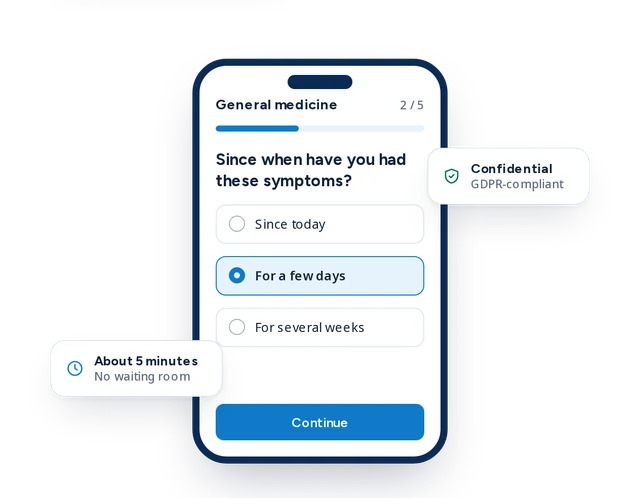
Complete the questionnaire

Brief details about your symptoms

STEP 02

Doctor connects with you

Video consultation within minutes

STEP 03

Receive your documents

Prescription, sick note or referral, digitally

Estimated wait

~ min wait

Related treatments

More conditions we treat by video consultation.

AVAILABLE NOW

Video consultation — usually <15 min wait

Medical notice: Not a substitute for an in-person medical examination. The information on this page is intended for general guidance only. In an emergency, please call 112.

Frequently Asked Questions

How quickly does shingles treatment need to start?

Antiviral therapy works best when started within 48 to 72 hours after the first blisters appear. Subject to medical assessment, it can shorten the course of the illness and reduce the risk of persistent nerve pain. Do not wait – have the rash assessed by a doctor as early as possible.

Can shingles be diagnosed via video or photo?

In many cases shingles can be recognised visually: the one-sided, band-like blistering rash is often clearly visible in photos and on video. The doctor will also ask about your symptoms and medical history. If the findings are unclear or warning signs are present, you will be advised to have an in-person examination.

What does the video consultation cost, and will my insurance cover it?

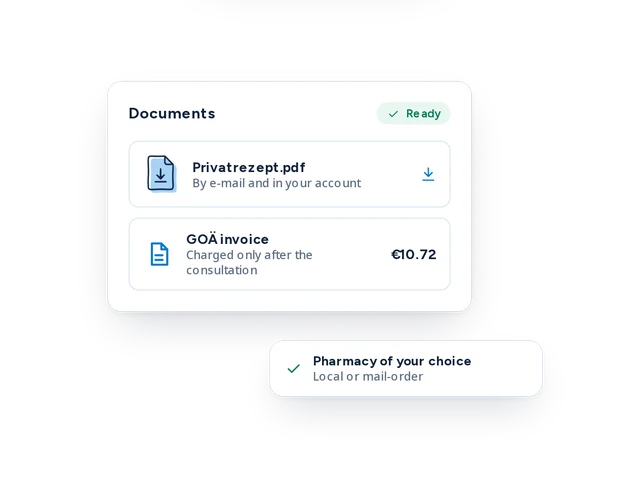
Billing is carried out as a private medical service according to the German fee schedule for physicians (GOÄ). Privately insured patients can usually submit the invoice to their private health insurer; reimbursement depends on your policy. Self-paying patients see the costs transparently listed before booking.

Is shingles contagious?

The blister fluid contains the varicella-zoster virus. People who have neither had chickenpox nor been vaccinated against it can become infected and will then develop chickenpox, not shingles. Cover the blisters and, until they have crusted over, avoid close contact with pregnant women, infants and people with weakened immune systems.

What is postherpetic neuralgia?

Postherpetic neuralgia refers to nerve pain that can persist for weeks to months after the rash has healed. The risk increases with age. Starting antiviral therapy early can, subject to medical assessment, help to reduce this risk.