Overview
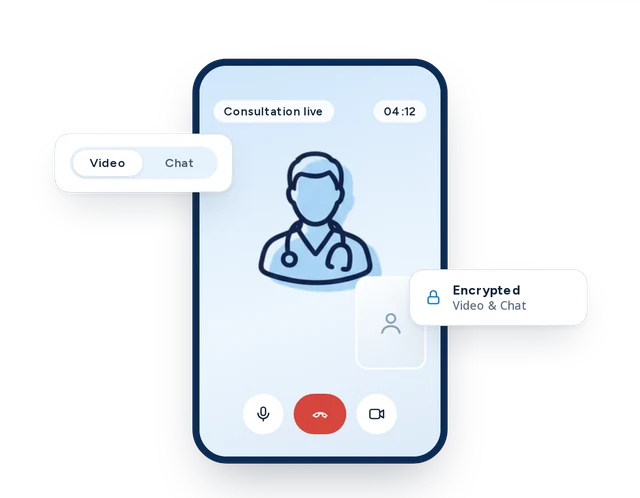
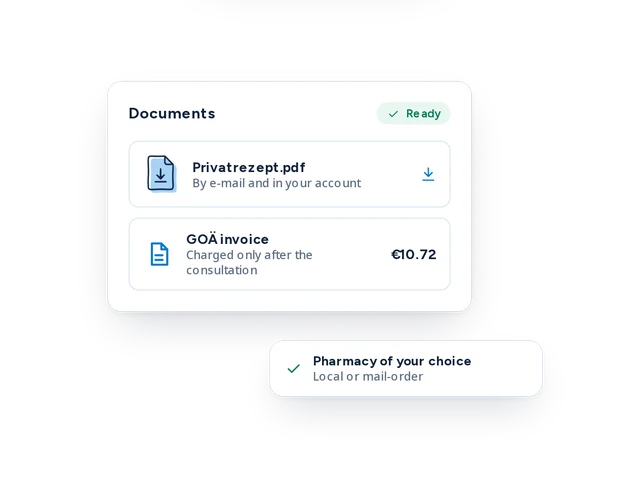
High blood pressure (arterial hypertension) is one of the most common chronic conditions in Germany. It usually causes no symptoms for a long time, but if left untreated it increases the risk of heart attack, stroke, heart failure and kidney damage. Consistently good blood pressure control is therefore essential – it is based on lifestyle measures and, where necessary, blood-pressure-lowering medication. For patients whose blood pressure is already well controlled with medication, the video consultation is particularly suitable: your home readings are discussed together with the doctor, and following the doctor's assessment a follow-up private prescription for your existing medication can be issued in accordance with the German medical fee schedule (GOÄ). This helps avoid interruptions in therapy without requiring a practice visit for every repeat prescription. Initial diagnosis, initial titration of medication and regular physical check-ups remain the responsibility of a local practice – telemedicine complements this care but does not replace it.
Common causes
In roughly nine out of ten cases, the condition is so-called primary (essential) hypertension, for which no single cause is responsible. The most important contributing factors include hereditary predisposition, increasing age, excess weight, high salt intake, lack of exercise, regular alcohol consumption, smoking and persistent stress. Sleep disorders such as obstructive sleep apnoea can also raise blood pressure. Secondary hypertension, in which another condition is the underlying cause – such as kidney disease, hormonal disorders or vascular changes – is considerably less common. Certain medications, for example corticosteroid preparations, some painkillers or hormonal contraceptives, can also increase blood pressure. If hypertension starts at a young age, readings are very high or the response to therapy is inadequate, a secondary cause should be investigated by a doctor; this requires in-person examinations.
When to see a doctor
Arrange a doctor's appointment promptly if your home readings are repeatedly above your agreed target range despite regular medication, if you repeatedly measure values above 160/100 mmHg, or if new complaints occur – such as possible side effects of your medication, dizziness when standing up or increasing fluid retention. Call the emergency number 112 immediately if very high readings (around 180/120 mmHg or above) occur together with warning signs: severe chest pain or tightness, shortness of breath, sudden paralysis, vision or speech problems, very severe headache, a nosebleed that cannot be stopped, confusion or impaired consciousness. Such signs may indicate a hypertensive emergency, a heart attack or a stroke and cannot be treated via video. You should also seek medical attention without delay if blood pressure readings are newly elevated during pregnancy.