Cholesterol & Blood Lipids

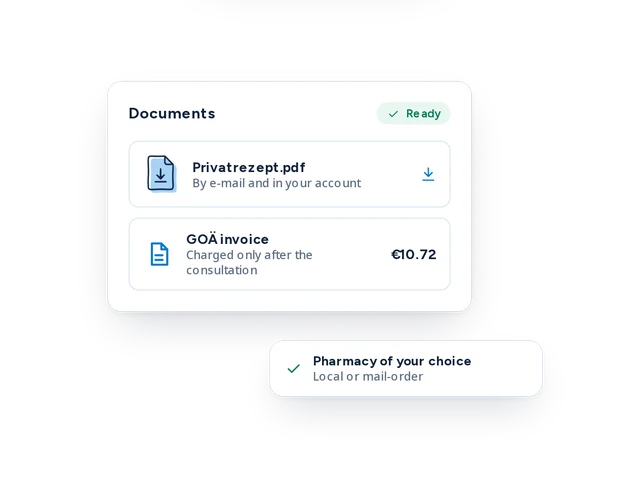
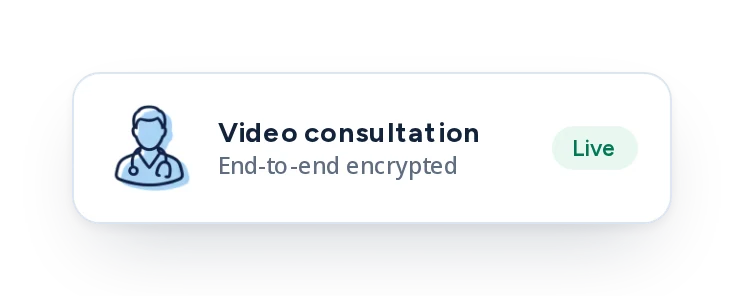
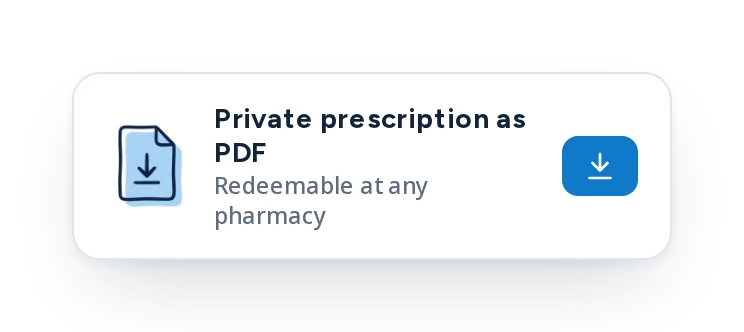
Elevated cholesterol and blood lipid levels usually cause no symptoms, but in the long term they increase the risk of heart attack and stroke. In a video consultation, you can have your laboratory results assessed by a doctor and receive advice on preventing cardiovascular disease. Following medical assessment, a private prescription may be issued, for example a follow-up prescription for an existing statin therapy.

12 doctors available now

Overview

Elevated blood lipid levels – in particular elevated LDL cholesterol – are among the most important modifiable risk factors for heart attack and stroke. Because a lipid metabolism disorder usually causes no symptoms, it is generally only discovered through a laboratory test. Treatment rests on two pillars: lifestyle adjustments and – depending on individual risk – drug-based lowering of blood lipids, frequently with agents from the statin class. In the OpenClinic24 video consultation, you can have your current laboratory values assessed by a doctor. Following medical assessment, a private prescription for an existing, well-tolerated long-term therapy can be issued, or an adjustment of the treatment can be recommended. You will also receive structured advice on your personal cardiovascular risk, on target values and on sensible check-up intervals. Billing is carried out as a private service according to the German medical fee schedule (GOÄ) and is aimed at privately insured and self-paying patients.
Common causes

Elevated cholesterol and triglyceride levels usually arise from an interplay of several factors. Genetic predisposition plays a major role: in familial hypercholesterolaemia, LDL values are markedly elevated even at a young age. In addition, dietary habits rich in saturated fats and sugar, excess weight, lack of exercise, smoking and regular alcohol consumption contribute to a deterioration of lipid metabolism. Other diseases can also affect blood lipids, such as an underactive thyroid, diabetes mellitus, and kidney or liver diseases. Some medicines, for example certain corticosteroid or hormonal preparations, can likewise alter the values. For the medical assessment it is therefore important to know your pre-existing conditions, current medication and family history. Only in the overall picture of laboratory values, risk factors and lifestyle can it be judged whether and in what form treatment is advisable.

When to see a doctor

Have your blood lipids medically assessed if elevated values have been found in the laboratory, if early heart attacks or strokes have occurred in your family, or if risk factors such as high blood pressure, diabetes or smoking are present. Regular medical contact is also important for monitoring an existing statin therapy and for follow-up prescriptions. Newly occurring muscle pain, muscle weakness or dark urine during lipid-lowering therapy should be medically evaluated promptly; do not stop the medication without consulting a doctor. Go to an emergency department immediately or call the emergency number 112 in case of warning signs such as sudden pressure or tightness in the chest, shortness of breath, pain radiating to the arm, back or jaw, sudden paralysis, or speech or vision disturbances. These signs can indicate a heart attack or stroke and cannot be treated via video consultation.

Symptoms & Indications

Elevated cholesterol levels in laboratory results (LDL, total cholesterol) Elevated triglyceride levels Family history of heart attack or stroke Yellowish fatty deposits on the skin or eyelids (xanthelasma) Known hardening of the arteries (arteriosclerosis) High blood pressure or diabetes as additional risk factors Excess weight, especially around the abdomen Usually no noticeable symptoms – often an incidental laboratory finding

Treatment Options

  • Medical assessment of your laboratory values (lipid profile) in the video consultation
  • Evaluation of your individual cardiovascular risk
  • Advice on diet, physical activity and smoking cessation
  • Following medical assessment: follow-up prescription for an existing statin therapy as a private prescription
  • Following medical assessment: other lipid-lowering drug classes, for example cholesterol absorption inhibitors
  • Recommendation of appropriate intervals for laboratory check-ups
  • If needed, recommendation to attend a specialised lipid clinic

Important Notes

  • The video consultation does not replace a physical examination or a blood draw. Current laboratory values are required for a well-founded assessment.
  • A prescription is issued only after an individual medical assessment; there is no entitlement to a prescription.
  • Newly occurring muscle pain, muscle weakness or dark urine during statin therapy should be medically evaluated. Do not stop taking medication without consulting a doctor.
  • In case of warning signs such as sudden chest pain, shortness of breath, paralysis or speech disturbances, call the emergency number 112 immediately.
HOW IT WORKS

How OpenClinic24 works

STEP 01

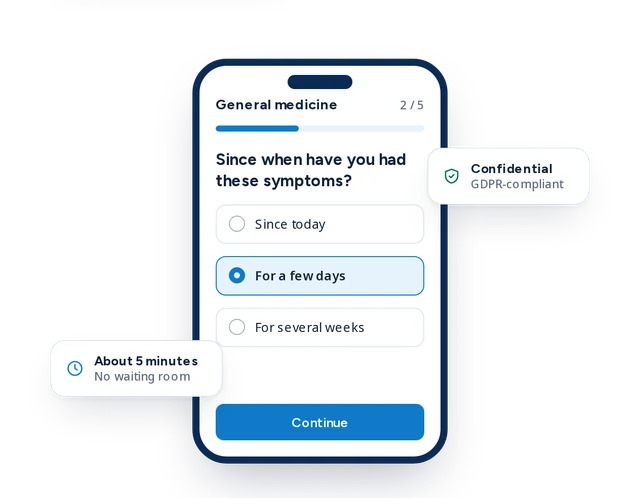
Complete the questionnaire

Brief details about your symptoms

STEP 02

Doctor connects with you

Video consultation within minutes

STEP 03

Receive your documents

Prescription, sick note or referral, digitally

Estimated wait

~ min wait

Related treatments

More conditions we treat by video consultation.

AVAILABLE NOW

Video consultation — usually <15 min wait

Medical notice: Not a substitute for an in-person medical examination. The information on this page is intended for general guidance only. In an emergency, please call 112.

Frequently Asked Questions

Can I receive a follow-up prescription for my statin via the video consultation?

In many cases this is possible. The prerequisite is that the therapy has already been initiated by a doctor, is well tolerated and that current laboratory values are available. Following medical assessment, a private prescription for the existing drug class can be issued during the video consultation. There is no entitlement to a prescription; the decision is made by the doctor during the consultation.

What does the consultation cost and who covers the costs?

The video consultation is billed as a private service according to the German medical fee schedule (GOÄ). Privately insured patients can usually submit the invoice to their private health insurance; reimbursement depends on the individual plan. Self-paying patients receive a transparent GOÄ invoice. Costs for medication from the pharmacy may apply in addition.

Which laboratory values should I have ready for the appointment?

A current lipid profile with total cholesterol, LDL cholesterol, HDL cholesterol and triglycerides is helpful, ideally no older than twelve months. If you are on ongoing statin therapy, liver values are also useful, and where applicable blood glucose or long-term blood glucose values. You can upload your laboratory report as a photo or PDF before the appointment.

At which cholesterol levels is drug treatment advisable?

There is no single universal threshold. What matters is your overall cardiovascular risk, which takes into account not only the LDL value but also age, blood pressure, smoking, diabetes and family history. This results in an individual LDL target value. Following medical assessment, it is decided together with you whether lifestyle measures are sufficient or whether additional drug therapy is recommended.

Can I lower elevated cholesterol levels without medication?

Lifestyle measures such as a Mediterranean diet, regular exercise, weight reduction and smoking cessation can have a favourable effect on blood lipid levels and are the basis of any treatment. Whether they are sufficient on their own depends on the level of the values and your individual risk. In the case of strongly elevated values or high risk, additional drug-based lowering is often recommended following medical assessment.