Hypothyroidism (underactive thyroid)

In hypothyroidism (an underactive thyroid), the thyroid gland produces too few hormones, which slows down the metabolism. The condition is well treatable and usually requires long-term hormone replacement therapy with regular laboratory monitoring. In a video consultation, the doctor can assess your ongoing therapy based on your current laboratory results and, following medical assessment, issue a follow-up prescription.

12 doctors available now

Overview

Hypothyroidism (an underactive thyroid) is one of the most common hormonal disorders in Germany and affects women considerably more often than men. The thyroid gland produces too little of the hormones thyroxine and triiodothyronine, which regulate the energy metabolism of almost all organs. Typical consequences are tiredness, weight gain, sensitivity to cold and difficulty concentrating, which often develop gradually over months. The standard treatment is the daily intake of thyroid hormones (levothyroxine), with which the symptoms usually resolve completely once the dose is properly adjusted. Since therapy is generally continued long term, patients regularly need follow-up prescriptions and laboratory checks. This is exactly where the video consultation comes in: if your condition is stable and current laboratory results are available, the doctor can assess your therapy in the consultation and, following medical assessment, issue a private prescription for your usual preparation. This spares you a practice visit for a pure repeat prescription without compromising medical diligence.
Common causes

By far the most common cause of hypothyroidism in Germany is Hashimoto's thyroiditis, a chronic autoimmune inflammation in which the immune system attacks thyroid tissue and hormone production gradually declines. Also common is an underactive thyroid following medical interventions, for example after thyroid surgery or radioiodine therapy. Certain medicines can also impair thyroid function; the doctor will advise you on this based on your medication plan. Pronounced iodine deficiency has become rare in Germany thanks to the use of iodised table salt, but it continues to play a role worldwide. Considerably rarer are congenital forms, which are already detected in newborn screening, as well as so-called secondary hypothyroidism, in which the cause lies not in the thyroid itself but in the higher-level hormonal control by the pituitary gland.

When to see a doctor

Have persistent complaints such as pronounced tiredness, unexplained weight gain, sensitivity to cold or low mood medically evaluated, especially if several symptoms occur together or thyroid disorders are known in your family. If you have already been diagnosed with an underactive thyroid, seek medical advice if new symptoms occur despite regular intake, if your weight changes significantly, or if you are or plan to become pregnant, as the therapy then often needs to be adjusted promptly. A rapidly growing lump in the neck, newly occurring difficulty swallowing or hoarseness should likewise be evaluated promptly by a doctor in person. Rarely, severe untreated hypothyroidism can lead to a life-threatening metabolic crisis: in the event of pronounced drowsiness up to impaired consciousness, confusion, severe hypothermia or a very slow heartbeat, call emergency services 112 immediately.

Symptoms & Indications

Persistent tiredness and lack of drive Weight gain despite an unchanged diet Increased sensitivity to cold Dry skin, brittle nails and hair loss Constipation Slowed heart rate Difficulty concentrating and low mood Menstrual irregularities in women

Treatment Options

  • Hormone replacement therapy with thyroid hormones (levothyroxine) as prescribed by a doctor
  • Follow-up prescription based on current laboratory results after medical review in the video consultation
  • Regular monitoring of thyroid values (especially TSH, and fT4 if indicated)
  • Advice on correct intake, for example on an empty stomach and spaced apart from certain medicines and dietary supplements
  • Medical adjustment of therapy when life circumstances change, for example pregnancy or significant weight change
  • Recommendation of further in-person diagnostics, such as thyroid ultrasound or referral to an endocrinologist

Important Notes

  • A video consultation does not replace a physical examination, blood test or ultrasound. For a follow-up prescription, current laboratory results (especially TSH) should be available for you to upload or show during the consultation.
  • A prescription can only be issued after an individual medical assessment. There is no entitlement to a specific prescription.
  • During pregnancy, hypothyroidism must be closely monitored by a doctor. Be sure to inform the doctor about an existing or planned pregnancy.
  • Warning signs such as pronounced drowsiness up to impaired consciousness, confusion, severe hypothermia or a very slow heartbeat may indicate a life-threatening emergency: call emergency services 112 immediately.
HOW IT WORKS

How OpenClinic24 works

STEP 01

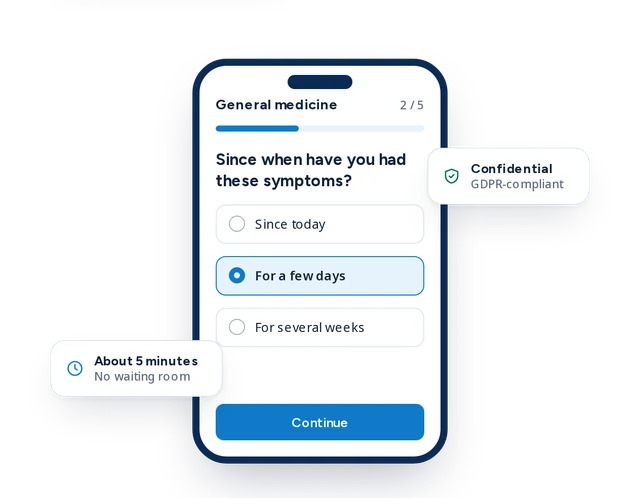
Complete the questionnaire

Brief details about your symptoms

STEP 02

Doctor connects with you

Video consultation within minutes

STEP 03

Receive your documents

Prescription, sick note or referral, digitally

Estimated wait

~ min wait

Related treatments

More conditions we treat by video consultation.

AVAILABLE NOW

Video consultation — usually <15 min wait

Medical notice: Not a substitute for an in-person medical examination. The information on this page is intended for general guidance only. In an emergency, please call 112.

Frequently Asked Questions

Can I get my levothyroxine follow-up prescription via video consultation?

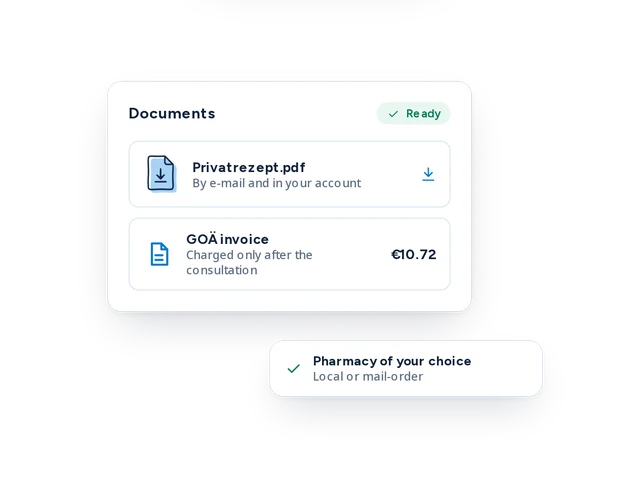
Yes, this is a typical use case for telemedicine. If your hypothyroidism has already been medically diagnosed, your condition is stable and current laboratory results are available, the doctor can, following medical assessment, issue a private prescription for your usual preparation. You receive the prescription digitally and can redeem it at any pharmacy.

Which laboratory results do I need for the video consultation?

The key value is a current TSH level, supplemented depending on the situation by the free thyroid hormones (fT4, and fT3 if indicated). As a rule, the results should not be older than a few months. You can upload the laboratory report before your appointment or show it during the consultation; the blood sample itself is taken by your general practitioner or at a local laboratory.

What does the treatment cost, and will my private health insurance cover it?

Billing is carried out as a private medical service according to the German medical fee schedule (GOÄ). You receive a transparent invoice that you can submit to your private health insurer or state aid scheme (Beihilfe); many tariffs reimburse video consultations. As a self-payer, you see the price before booking. The cost of the medication at the pharmacy may be additional.

How often should my thyroid values be checked?

After a new treatment start or dose adjustment, the TSH level is usually checked after around six to eight weeks. Once you are stably adjusted, a check about once a year is generally sufficient, provided no symptoms occur. The doctor determines the monitoring interval that is right for you individually, with closer monitoring for example during pregnancy or with accompanying conditions.

Can hypothyroidism be diagnosed for the first time via telemedicine?

Only to a limited extent. In the video consultation, the doctor can assess your symptoms and evaluate laboratory results you already have. However, a complete initial diagnosis usually requires a blood test and often an ultrasound examination of the thyroid on site, to which the doctor can refer you specifically.