
Nausea & Vomiting

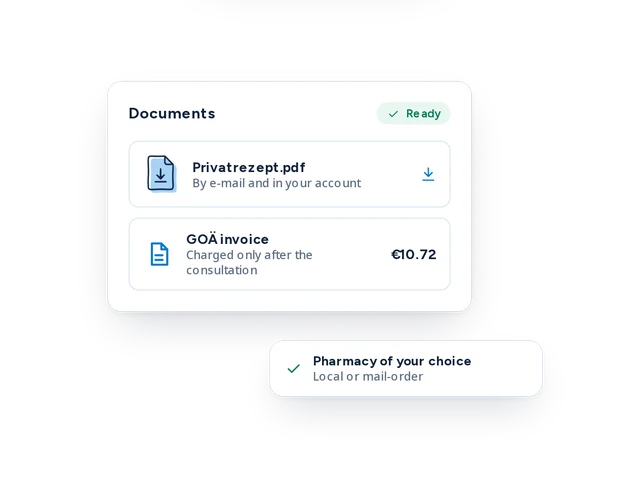
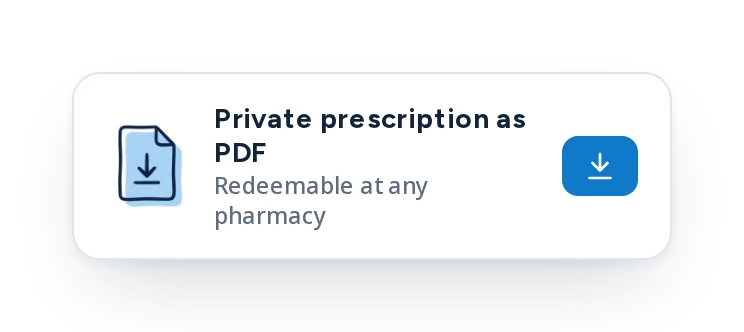
Nausea and vomiting are among the most common complaints of all and usually have harmless, self-limiting causes such as gastrointestinal infections, spoiled food or motion sickness. In the video consultation, our doctors systematically narrow down possible causes and advise you on suitable treatment. Following a medical assessment, a private prescription for appropriate anti-nausea medication (antiemetics) may be issued.

12 doctors available now

Overview

Nausea and vomiting are among the most common reasons for seeking medical advice. Both are, in the first instance, protective reactions of the body: the vomiting centre in the brain is activated by stimuli from the gastrointestinal tract, the organ of balance or by messenger substances, triggering the urge to vomit or vomiting itself. In most cases the underlying cause is harmless and self-limiting, such as a gastrointestinal infection, spoiled food or motion sickness. Symptoms then often subside on their own within a few days; the most important thing is to replace lost fluids and electrolytes. In the OpenClinic24 video consultation, our doctors take your medical history, systematically narrow down possible causes and assess whether treatment at home is sufficient or an in-person examination is required. Following a medical assessment, a private prescription for suitable anti-nausea medication (antiemetics) may be issued. Billing is carried out as a private service under the German scale of medical fees (GOÄ) and is suitable for privately insured and self-paying patients.
Common causes

By far the most frequent cause of acute nausea with vomiting is viral gastrointestinal infection, for example with noro- or rotaviruses, as well as foodborne infections. Numerous other triggers are also possible: intolerances and functional dyspepsia, heartburn and inflammation of the stomach lining (gastritis), migraine attacks, disorders of the organ of balance such as motion or sea sickness, and side effects of medication, for example antibiotics or painkillers. Nausea is also very common in early pregnancy and usually harmless. Less frequently, conditions requiring treatment are the underlying cause, such as appendicitis, bowel obstruction, inflammation of the pancreas or gallbladder, metabolic derailments, or a heart attack, which can present with nausea particularly in women and older people. Accompanying symptoms, duration, fever, medication taken and pre-existing conditions are decisive for the medical assessment. Exactly these points are systematically covered in the video consultation.

When to see a doctor

Have nausea and vomiting medically assessed if symptoms last longer than two to three days, if you can hardly keep any fluids down, if you have a fever above 39 °C or if severe abdominal pain develops. An early medical assessment is also advisable in the case of repeated vomiting during pregnancy, in infants and young children, in elderly or chronically ill people, and after starting a new medication. Call the emergency number 112 immediately in the event of: vomiting blood or material resembling coffee grounds, extremely severe or board-like rigid abdominal pain, chest pain or shortness of breath, impaired consciousness, neck stiffness with headache and sensitivity to light, vomiting after a fall onto the head, or signs of severe dehydration such as confusion, very low urine output or circulatory weakness. In these situations immediate in-person examination and treatment are necessary; a video consultation is not the right service then.

Symptoms & Indications

Queasy feeling in the stomach and urge to vomit Repeated vomiting Loss of appetite Abdominal pain or stomach cramps Diarrhoea as an accompanying symptom Dizziness or circulatory problems Increased salivation Fatigue and feeling of weakness

Treatment Options

  • Structured medical assessment of causes and triage in the video consultation
  • Advice on replacing lost fluids and electrolytes (oral rehydration)
  • Dietary recommendations: light food, small meals, avoiding irritants
  • Following a medical assessment, a private prescription for antiemetics, such as antihistamines or dopamine antagonists
  • Advice on herbal options such as ginger preparations
  • Review of your current medication for possible triggers
  • Referral for further in-person diagnostics where necessary

Important Notes

  • If you vomit blood or material resembling coffee grounds, or experience severe abdominal or chest pain, shortness of breath, impaired consciousness or signs of severe dehydration, call the emergency number 112 immediately.
  • A video consultation does not replace a physical examination. If symptoms are unclear, severe or persistent, an in-person visit to a practice or hospital may be necessary.
  • Persistent vomiting in infants and young children, pregnant women, elderly or chronically ill people should be medically assessed at an early stage.
  • Medication is prescribed solely on the basis of an individual medical assessment; there is no entitlement to a prescription.
HOW IT WORKS

How OpenClinic24 works

STEP 01

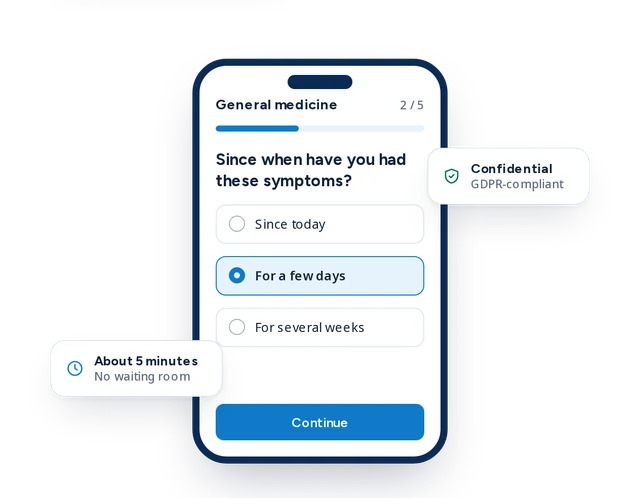
Complete the questionnaire

Brief details about your symptoms

STEP 02

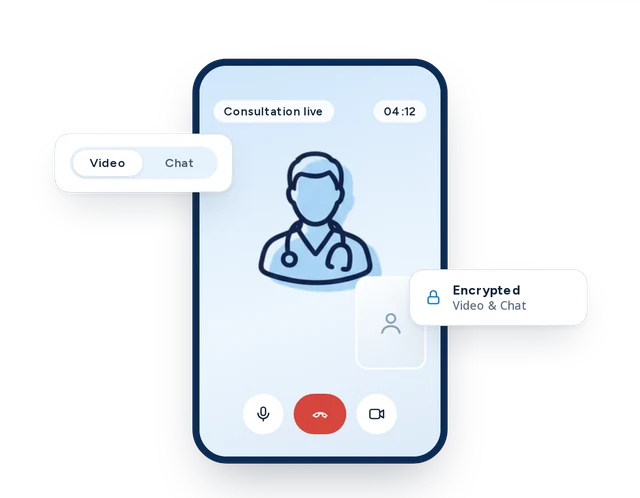
Doctor connects with you

Video consultation within minutes

STEP 03

Receive your documents

Prescription, sick note or referral, digitally

Estimated wait

~ min wait

Related treatments

More conditions we treat by video consultation.

AVAILABLE NOW

Video consultation — usually <15 min wait

Medical notice: Not a substitute for an in-person medical examination. The information on this page is intended for general guidance only. In an emergency, please call 112.

Frequently Asked Questions

How much does a video consultation for nausea and vomiting cost?

Billing is carried out as a private medical service in accordance with the German scale of medical fees (GOÄ). Privately insured patients can usually submit the invoice to their private health insurer or state aid office; reimbursement depends on the individual plan. Self-paying patients receive a transparent GOÄ invoice, the amount of which depends on the scope of the consultation. You will see the expected costs clearly listed before treatment.

Can I receive medication for nausea via video consultation?

Following a medical assessment, a private prescription for suitable antiemetics may be issued, for example from the class of antihistamines or dopamine antagonists. Whether medication makes sense depends on the cause, any accompanying conditions and your current medication. There is no entitlement to a prescription; in some cases an in-person examination is required instead.

When are nausea and vomiting an emergency?

Warning signs include vomiting blood or material resembling coffee grounds, extremely severe or board-like rigid abdominal pain, chest pain, shortness of breath, impaired consciousness, neck stiffness with headache, and vomiting after a fall onto the head. Signs of severe dehydration such as confusion or very low urine output are also alarming. In these situations, call the emergency number 112 immediately and do not wait for a video consultation.

How long do nausea and vomiting last with a gastrointestinal infection?

In uncomplicated viral gastrointestinal infections, vomiting often subsides within one to two days, while diarrhoea may last somewhat longer. It is essential to replace lost fluids and electrolytes by drinking regularly in small sips. If symptoms persist for more than two to three days, or if you can hardly keep any fluids down, you should seek medical assessment.

Does the video consultation also help with nausea during pregnancy?

Yes, medical advice on nausea during pregnancy is possible via video, for example regarding diet, fluid intake and suitable measures. Following a medical assessment, appropriate treatment options can also be discussed during pregnancy. In the case of frequent vomiting, weight loss or signs of dehydration, a prompt visit to your gynaecologist is also important.