

Iron deficiency

Iron deficiency is the most common nutritional deficiency and particularly affects women of childbearing age. Typical complaints include persistent fatigue, difficulty concentrating, hair loss and pale skin. In a video consultation you can discuss your laboratory results – especially your ferritin level – with a doctor; based on the doctor's assessment, a private prescription for an iron supplement may be issued.

12 doctors available now

Overview

Iron deficiency is the most common nutritional deficiency worldwide. Women between 20 and 45 are particularly affected, mainly due to regular blood loss during menstruation. Iron is needed to produce haemoglobin, the red blood pigment; once the body's stores are depleted, iron deficiency anaemia can develop. Common signs include persistent fatigue, difficulty concentrating, pale skin, hair loss and brittle nails. The most important laboratory value for assessing iron stores is ferritin; haemoglobin and transferrin saturation are usually considered as well. In a video consultation you can have existing laboratory results interpreted by a doctor and discuss your symptoms. Based on the doctor's assessment, a private prescription for an oral iron supplement may be issued and a plan for follow-up tests agreed. Billing is carried out as a private service according to the German GOÄ fee schedule and is therefore aimed at privately insured and self-paying patients. Blood cannot be drawn via telemedicine; the sample is taken at a local practice or laboratory.
Common causes

In women of childbearing age, the most common cause is increased iron loss through menstruation, especially with heavy or prolonged periods. Pregnancy and breastfeeding also significantly increase iron requirements. A vegetarian or vegan diet can contribute to lower iron intake, as plant-based iron is absorbed less efficiently than iron from meat. Other possible causes include chronic blood loss in the gastrointestinal tract, for example from mucosal inflammation or ulcers, and absorption disorders in coeliac disease or chronic inflammatory bowel disease. Certain medicines, such as acid-suppressing drugs, can also reduce iron absorption. Intensive endurance sport, frequent blood donation and restrictive diets are additional factors. Because iron deficiency can also be a sign of conditions that require treatment, addressing the cause is always part of the care – not just correcting the deficiency.

When to see a doctor

Have persistent fatigue, a drop in performance, noticeable pallor, increased hair loss or brittle nails medically assessed – especially if the symptoms last for several weeks. A previously measured low ferritin level is also a good reason for a medical consultation, so that the cause and possible supplementation can be clarified. Certain warning signs require a prompt in-person examination: blood in the stool or black-coloured stool, unintended weight loss, blood in the urine, very heavy or prolonged menstrual bleeding, and iron deficiency in men or after the menopause, as these situations more often involve a source of bleeding that needs investigation. In case of severe shortness of breath at rest, chest pain, a racing heart with dizziness or impending circulatory collapse, call the emergency number 112 immediately. Do not take iron supplements long-term without medical supervision, as excess iron can also be harmful.

Symptoms & Indications

Persistent tiredness and exhaustion Difficulty concentrating and reduced performance Pale skin and mucous membranes Hair loss and brittle nails Headaches and dizziness Palpitations and shortness of breath on exertion Cracked corners of the mouth Sensitivity to cold

Treatment Options

  • Medical discussion of your laboratory results, in particular ferritin, haemoglobin and transferrin saturation
  • Based on the doctor's assessment, a private prescription for oral iron supplements (e.g. iron(II) salts or iron(III) complexes)
  • Advice on an iron-rich diet, such as meat, legumes and whole-grain products
  • Guidance on improving iron absorption, for example spacing intake apart from coffee, tea and dairy products
  • Recommendation to investigate the underlying cause, such as heavy menstrual bleeding
  • Planning of follow-up laboratory tests to monitor your iron stores

Important Notes

  • Blood cannot be drawn during a video consultation. Current laboratory results should be available for the assessment; the blood sample is taken at a local practice or laboratory.
  • Intravenous iron therapy is not possible via telemedicine and remains reserved for in-person treatment.
  • If you notice blood in your stool, black-coloured stool, unintended weight loss or very heavy menstrual bleeding, a prompt in-person examination is required to clarify the cause.
  • In case of severe shortness of breath, chest pain or circulatory collapse, call the emergency number 112 immediately.
HOW IT WORKS

How OpenClinic24 works

STEP 01

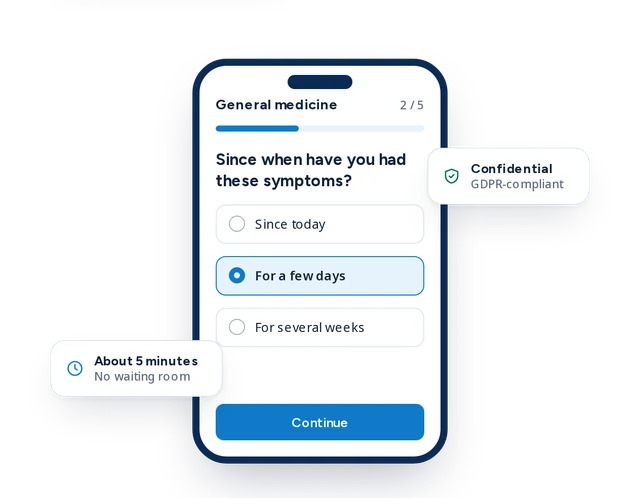
Complete the questionnaire

Brief details about your symptoms

STEP 02

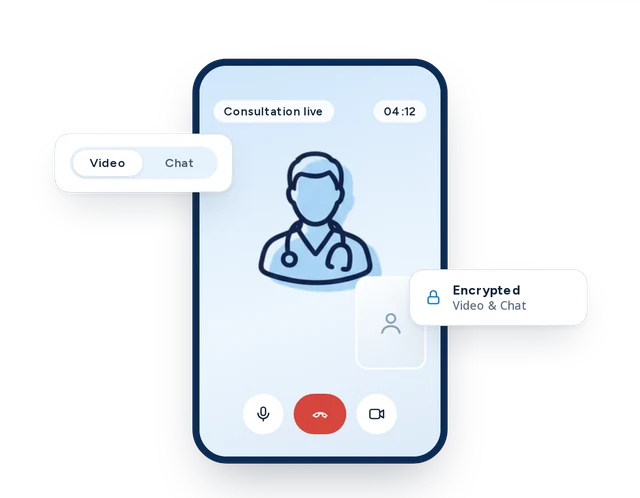
Doctor connects with you

Video consultation within minutes

STEP 03

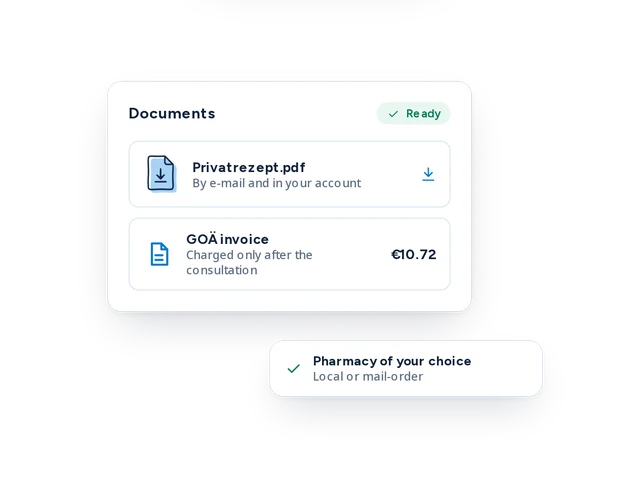
Receive your documents

Prescription, sick note or referral, digitally

Estimated wait

~ min wait

Related treatments

More conditions we treat by video consultation.

AVAILABLE NOW

Video consultation — usually <15 min wait

Medical notice: Not a substitute for an in-person medical examination. The information on this page is intended for general guidance only. In an emergency, please call 112.

Frequently Asked Questions

Can I discuss my ferritin level in a video consultation?

Yes. If you have a recent laboratory report, you can upload it before your appointment or show it during the video consultation. The doctor will interpret your ferritin, haemoglobin and other values in the context of your symptoms and discuss the next steps with you.

Can an iron supplement be prescribed for me online?

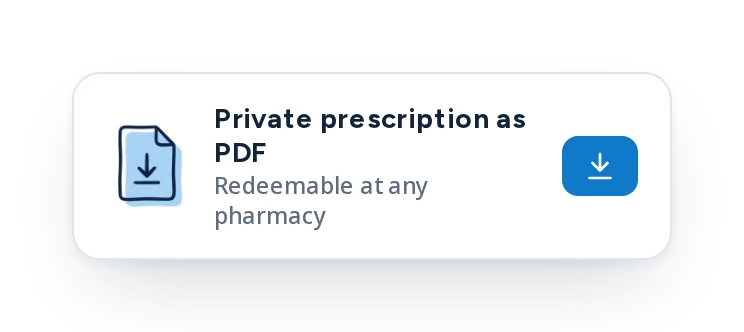
Based on the doctor's assessment, a private prescription for an oral iron supplement may be issued if your laboratory results and symptoms justify it. There is no entitlement to a prescription; the decision always rests with the treating doctor. You receive the prescription digitally and can redeem it at a pharmacy of your choice.

How much does a video consultation for iron deficiency cost?

Billing is carried out as a private medical service according to the German fee schedule for physicians (GOÄ). Privately insured patients can usually submit the invoice to their private health insurance; reimbursement depends on the individual policy. Self-paying patients receive a transparent GOÄ invoice, and the costs are displayed before booking.

How quickly do symptoms improve with iron supplementation?

This varies from person to person. Many people notice an improvement in their fatigue after a few weeks, but replenishing the iron stores often takes several months. The course of treatment should be accompanied by follow-up laboratory tests, the timing of which you discuss with your doctor.

What can I do if I do not yet have any laboratory results?

An initial consultation is possible even without a lab report. The doctor will discuss your symptoms and can recommend which laboratory values are useful, such as a blood count and ferritin. The blood sample itself is taken at a local practice or laboratory; you can then discuss the results in a follow-up appointment.