
Overview
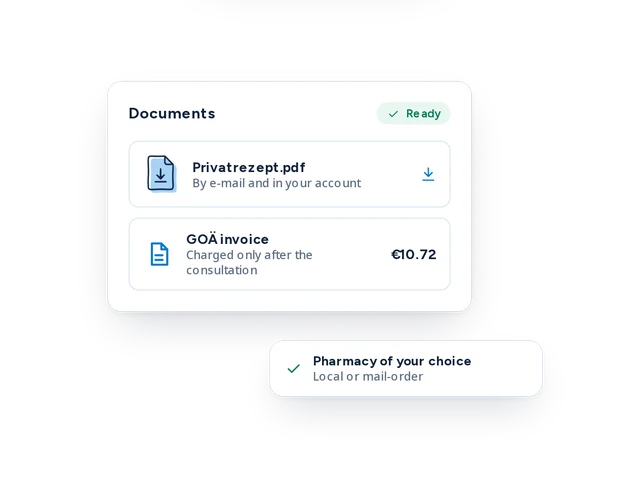
Heartburn is one of the most common digestive complaints: a substantial proportion of adults in Germany are affected at least occasionally. It is caused by acidic stomach contents flowing back into the oesophagus, producing a burning sensation behind the breastbone, sour belching or an unpleasant taste in the mouth. If symptoms occur regularly or impair quality of life, this is referred to as gastro-oesophageal reflux disease (GERD). Many cases can be assessed well on the basis of a careful medical history, without an immediate in-person examination. In the OpenClinic24 video consultation, experienced doctors record your symptoms in a structured way, check for possible warning signs and discuss the next steps with you. Following the doctor's evaluation, a private prescription can be issued, for example for proton pump inhibitors, complemented by individual advice on diet and lifestyle. Billing is provided as a private service according to the German GOÄ fee schedule for privately insured patients and self-payers.
Common causes
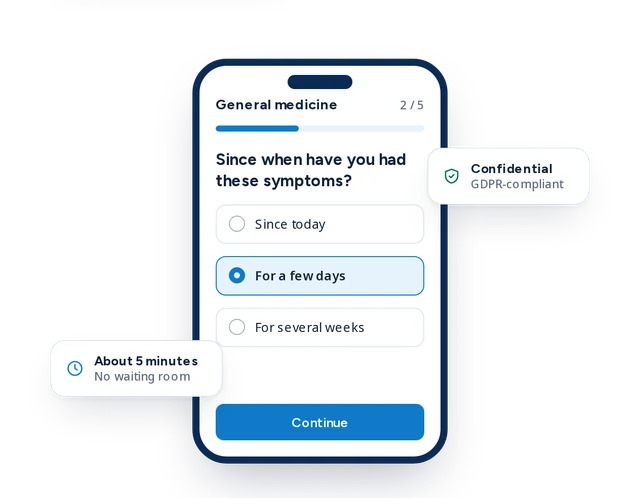
In heartburn, the lower oesophageal sphincter does not close sufficiently, allowing stomach acid to flow back. This is promoted by large, fatty or heavily spiced meals, eating late before bedtime, and by coffee, alcohol, nicotine and carbonated or very acidic drinks. Excess weight increases pressure in the abdomen and is one of the most important risk factors; reflux is also common during pregnancy. A hiatal hernia can additionally weaken the valve function at the entrance to the stomach. Some medicines can relax the sphincter or irritate the mucous membrane, which is why reviewing your current medication is part of the medical assessment. Stress and irregular eating habits can also aggravate symptoms. Several factors often act together; the medical history helps to identify the triggers that are relevant in your case.
When to see a doctor
Occasional heartburn after a large meal is usually harmless. You should have your symptoms medically assessed if they occur several times a week, persist for more than a few weeks, disturb your sleep or do not improve despite self-treatment. Certain warning signs require a prompt in-person examination, usually including a gastroscopy: difficulty or pain when swallowing, unintended weight loss, repeated vomiting, blood in vomit, black stools or newly diagnosed anaemia. New symptoms at an older age should also be thoroughly investigated. Important: sudden, severe pain behind the breastbone, especially with shortness of breath, tightness, radiation into the arm, jaw or back, cold sweat or nausea, may be a heart attack. In this case, call emergency services 112 immediately and do not wait for a video consultation.