Irritable bowel syndrome

Irritable bowel syndrome is a common functional bowel disorder with recurring abdominal pain, bloating and altered bowel habits. The diagnosis is made after other causes have been excluded. In the video consultation we provide long-term support with dietary guidance and – following medical assessment – symptomatic treatment via private prescription.

12 doctors available now

Overview

Irritable bowel syndrome (IBS) is one of the most common disorders of the digestive tract. Estimates suggest that several percent of the population in Germany are affected, women somewhat more often than men. Typical features are recurring abdominal pain, bloating and altered bowel habits – diarrhoea, constipation or alternation between the two – lasting at least three months. IBS is a functional disorder: the symptoms are real and can significantly impair quality of life, yet no structural damage is found in the organs themselves. The diagnosis is one of exclusion, meaning it is made only after other causes such as chronic inflammatory bowel disease, coeliac disease or food intolerances have been ruled out. Once the diagnosis is confirmed, long-term management becomes the focus. This is exactly where the video consultation comes in: dietary changes, a symptom diary and – following medical assessment – symptomatic medicines via private prescription can be managed well remotely, without you having to visit a practice for every appointment.
Common causes

The exact causes of irritable bowel syndrome have not been fully clarified. According to current understanding, several factors interact. A central role is played by disturbed communication between the gut and the brain, the so-called gut–brain axis: the nervous system of the gut reacts oversensitively to normal stretching stimuli, promoting pain and cramps. Gut motility is also frequently altered – accelerated in diarrhoea, slowed in constipation. Further factors include changes in the composition of the gut flora, increased permeability of the intestinal lining and low-grade inflammatory processes. In some patients, IBS begins after a gastrointestinal infection (post-infectious IBS). Psychological strain such as persistent stress, anxiety or depressed mood does not cause the condition on its own, but can markedly intensify symptoms. Certain food components, particularly poorly digestible fermentable carbohydrates (FODMAPs), also trigger symptoms in many patients.

When to see a doctor

Persistent bowel symptoms should always be evaluated by a doctor before a diagnosis of irritable bowel syndrome is made. Visit a practice promptly if warning signs occur: blood in the stool or black-coloured stool, unintended weight loss, fever, nocturnal diarrhoea or pain that wakes you from sleep, anaemia, palpable masses in the abdomen, or first onset of symptoms after the age of 50. A family history of bowel cancer, coeliac disease or chronic inflammatory bowel disease is also a reason for a thorough in-person examination. Sudden severe abdominal pain with a board-like rigid abdomen, persistent vomiting, signs of circulatory failure or massive bleeding from the bowel constitutes an emergency – in that case call the emergency number 112 immediately. For follow-up care once the diagnosis is confirmed, however, the video consultation is usually well suited.

Symptoms & Indications

Recurring abdominal pain or cramps Bloating and a visibly distended abdomen Diarrhoea, constipation or alternation between the two Symptoms improving or worsening after bowel movements Feeling of incomplete bowel emptying Mucus in the stool Feeling of fullness and early satiety Symptoms worsening with stress or certain foods

Treatment Options

  • Structured dietary counselling, e.g. guidance on a low-FODMAP diet with a symptom and food diary
  • Fibre adjustment, for example with soluble fibre such as psyllium husk
  • Following medical assessment, antispasmodic medicines against abdominal cramps
  • Following medical assessment, symptomatic medicines for diarrhoea or constipation (antimotility agents or osmotic laxatives)
  • Enteric-coated peppermint oil preparations to relieve cramps and bloating
  • Selected probiotics as a treatment trial over several weeks
  • Stress management and relaxation techniques, with referral to gut-directed psychotherapy services where appropriate

Important Notes

  • Irritable bowel syndrome is a diagnosis of exclusion. Initial work-up with physical examination, laboratory tests and, if necessary, colonoscopy must take place in person – the video consultation does not replace this basic diagnostic work-up; it is primarily suited to ongoing follow-up care.
  • Warning signs such as blood in the stool, unintended weight loss, fever, nocturnal symptoms or symptom onset after the age of 50 always require prompt in-person evaluation in a practice or hospital.
  • In case of sudden severe abdominal pain with a rigid abdomen, persistent vomiting, circulatory weakness or heavy bleeding from the bowel, call the emergency number 112 immediately.
  • Controlled substances and benzodiazepines are never prescribed via OpenClinic24.
HOW IT WORKS

How OpenClinic24 works

STEP 01

Complete the questionnaire

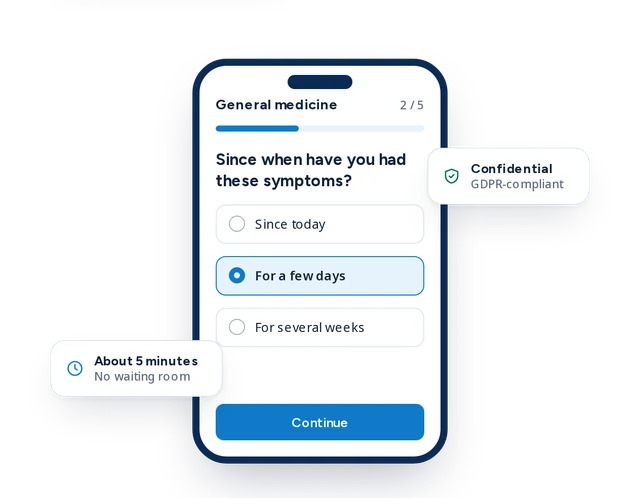
Brief details about your symptoms

STEP 02

Doctor connects with you

Video consultation within minutes

STEP 03

Receive your documents

Prescription, sick note or referral, digitally

Estimated wait

~ min wait

Related treatments

More conditions we treat by video consultation.

AVAILABLE NOW

Video consultation — usually <15 min wait

Medical notice: Not a substitute for an in-person medical examination. The information on this page is intended for general guidance only. In an emergency, please call 112.

Frequently Asked Questions

Can irritable bowel syndrome be treated via video consultation?

The video consultation is well suited to long-term follow-up care, provided the diagnosis has already been confirmed through diagnostic exclusion of other causes. Doctors can assess your symptoms, help you structure your diet and, following medical assessment, prescribe symptomatic medicines via private prescription. The initial work-up, including examination and colonoscopy where needed, must however take place in person.

What does treatment cost and will my insurance cover it?

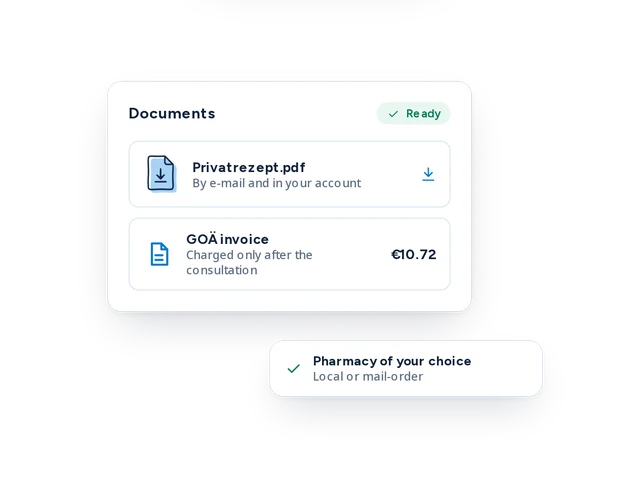
Billing is carried out as a private service according to the German medical fee schedule (GOÄ); you receive a transparent invoice. Privately insured patients can usually submit the invoice to their private health insurer (PKV); reimbursement depends on the individual policy. Patients with statutory insurance can use the service as self-payers.

Does a low-FODMAP diet really help?

Many patients report a marked improvement in bloating and abdominal pain during a time-limited low-FODMAP diet. It is important to follow the structured three-phase approach with targeted reintroduction of individual foods afterwards, so that the diet does not remain unnecessarily restrictive in the long term. We guide you through this process in the video consultation.

Can I receive a prescription for my IBS symptoms via OpenClinic24?

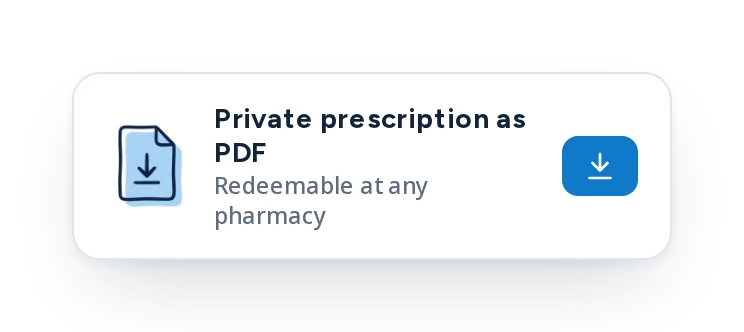
Following medical assessment, a private prescription may be issued, for example for antispasmodic medicines, medicines for diarrhoea or constipation, or peppermint oil preparations. Whether a prescription is medically appropriate is decided by the doctor in consultation with you. There is no entitlement to a specific medicine.

When should I have my symptoms re-evaluated in person?

If the character of your symptoms changes noticeably, new warning signs such as blood in the stool, weight loss, fever or nocturnal symptoms appear, or your symptoms worsen despite treatment, a renewed in-person examination is advisable. First onset of symptoms after the age of 50 also requires in-person evaluation.