Constipation

Constipation refers to bowel movements that are too infrequent, difficult or incomplete. It is usually harmless and responds well to treatment, but can significantly affect quality of life. In a video consultation, our doctors discreetly assess possible causes and, following medical evaluation, may issue a private prescription for suitable laxatives.

12 doctors available now

Overview

Constipation is one of the most common digestive complaints and affects people of all ages, with women and older adults affected somewhat more often. Chronic constipation is generally diagnosed when, for at least three months, there are fewer than three bowel movements per week or symptoms such as excessive straining, hard stools and a feeling of incomplete evacuation. Many people find the subject uncomfortable and postpone seeing a doctor. A telemedicine video consultation offers a discreet alternative: based on a structured medical history, the doctor can narrow down the likely cause, recommend dietary and lifestyle measures and, following medical evaluation, issue a private prescription for suitable laxatives. The doctor also checks whether warning signs are present that would require a physical examination or further in-person diagnostics. Billing is carried out as a private medical service under the German medical fee schedule (GOÄ); privately insured patients can usually submit the invoice to their insurer.
Common causes

In most cases the condition is so-called functional constipation, with no detectable organic disease. Contributing factors include a low-fibre diet, insufficient fluid intake, lack of exercise, repeatedly suppressing the urge to defecate, and changes to daily routine, for example when travelling. Numerous medications can also trigger or worsen constipation, including opioid painkillers, certain antidepressants, iron-containing preparations and some blood pressure medications. Hormonal changes, for example during pregnancy, as well as conditions such as an underactive thyroid, diabetes mellitus or irritable bowel syndrome can also be causes. Less commonly, narrowing of the bowel or disorders of pelvic floor function are responsible. An essential part of the medical consultation therefore consists of systematically narrowing down these causes and specifically reviewing current medication for constipation-promoting agents.

When to see a doctor

Medical evaluation is advisable if constipation persists for more than a few weeks, does not improve despite dietary and exercise measures, or if laxatives are repeatedly needed. Certain warning signs should be examined in person promptly: blood in or on the stool, black-coloured stools, unintended weight loss, fever, symptoms at night, known anaemia, and a new, persistent change in bowel habits, particularly from the age of 50. In these cases a colonoscopy may be necessary, which can only be performed in person. If severe abdominal pain, a distended hard abdomen, repeated vomiting, or a complete inability to pass stool and wind occurs, a bowel obstruction is suspected: in this case call emergency services immediately (112 in Germany).

Symptoms & Indications

Infrequent bowel movements (fewer than three per week) Hard, lumpy stools Excessive straining during bowel movements Feeling of incomplete evacuation Bloating and a distended abdomen Abdominal pain or cramps Reduced appetite Sensation of a blockage in the rectum

Treatment Options

  • A fibre-rich diet (whole grains, fruit, vegetables)
  • Adequate fluid intake spread throughout the day
  • Regular physical activity
  • Bulk-forming agents (for example psyllium husks)
  • Osmotic laxatives following medical evaluation
  • Stimulant laxatives for short-term use following medical evaluation
  • Review of current medication for constipation-promoting agents

Important Notes

  • A video consultation does not replace a physical examination. For persistent or recurrent symptoms, an in-person visit to a practice may be necessary.
  • Warning signs such as blood in the stool, black stools, unintended weight loss, or a new, persistent change in bowel habits – particularly from the age of 50 – must be assessed in person, if necessary by colonoscopy.
  • In case of severe abdominal pain, a distended hard abdomen, repeated vomiting, or a complete inability to pass stool and wind, a bowel obstruction is suspected: call emergency services (112 in Germany) immediately.
  • There is no entitlement to a prescription. Whether a laxative is appropriate is always decided by the treating doctor based on an individual assessment.
HOW IT WORKS

How OpenClinic24 works

STEP 01

Complete the questionnaire

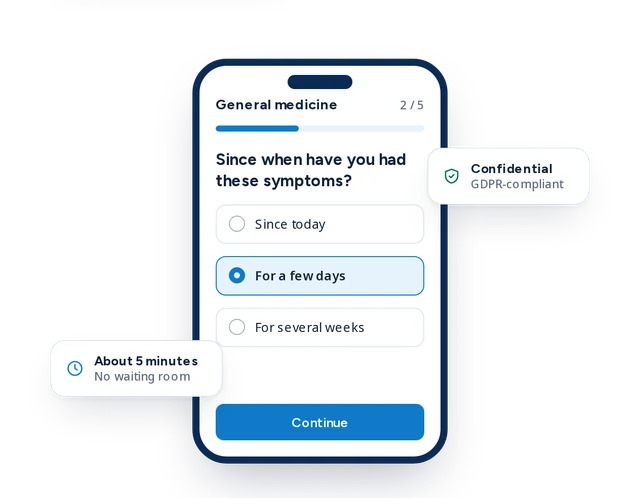
Brief details about your symptoms

STEP 02

Doctor connects with you

Video consultation within minutes

STEP 03

Receive your documents

Prescription, sick note or referral, digitally

Estimated wait

~ min wait

Related treatments

More conditions we treat by video consultation.

AVAILABLE NOW

Video consultation — usually <15 min wait

Medical notice: Not a substitute for an in-person medical examination. The information on this page is intended for general guidance only. In an emergency, please call 112.

Frequently Asked Questions

Can I get a laxative prescribed via video consultation?

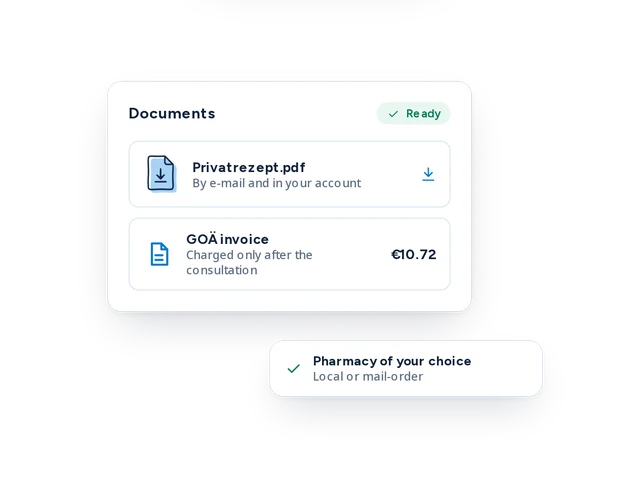
After a structured medical history in the video consultation, the doctor assesses whether a laxative is suitable for you. If so, a private prescription can be issued following medical evaluation, which you can redeem at any pharmacy. There is no entitlement to a prescription; the decision always rests with the treating doctor.

What does the treatment cost and will my insurance cover it?

Billing is carried out as a private medical service under the German medical fee schedule (GOÄ). Privately insured patients can usually submit the invoice to their private health insurer; reimbursement depends on the individual policy. Self-payers and those with statutory insurance bear the costs themselves. The invoice amount depends on the scope of the medical service and is stated transparently.

When is a telemedicine consultation not sufficient?

A video consultation does not replace a physical examination. In the presence of warning signs such as blood in the stool, unintended weight loss, severe pain, or a new, persistent change in bowel habits, an in-person examination is required, if necessary including a colonoscopy. In such cases, our doctors will explicitly advise you that a visit to a practice or clinic is necessary.

Are laxatives addictive or harmful to the bowel?

Modern laxatives such as bulk-forming or osmotic preparations are considered well tolerated when used correctly. Based on current knowledge, dependence is not expected with these drug classes. It remains important, however, that the choice, duration and use are medically supervised and that the cause of the constipation is clarified rather than merely masking symptoms long term.

How discreet is the treatment?

The video consultation takes place in a secure, end-to-end encrypted video call. Your information is subject to medical confidentiality and is processed in Germany or the EU in accordance with the GDPR. You hold the consultation from a location of your choice, with no waiting room and no in-person contact.